China, Iran and Russia Oppose Western IAEA Resolution, Call for End to Pressure on Iran

Dragon Media News Desk
China, Iran and Russia have urged that Iran’s nuclear programme not be used as an instrument of political pressure, presenting a joint position at the Board of Governors of the International Atomic Energy Agency, or IAEA.
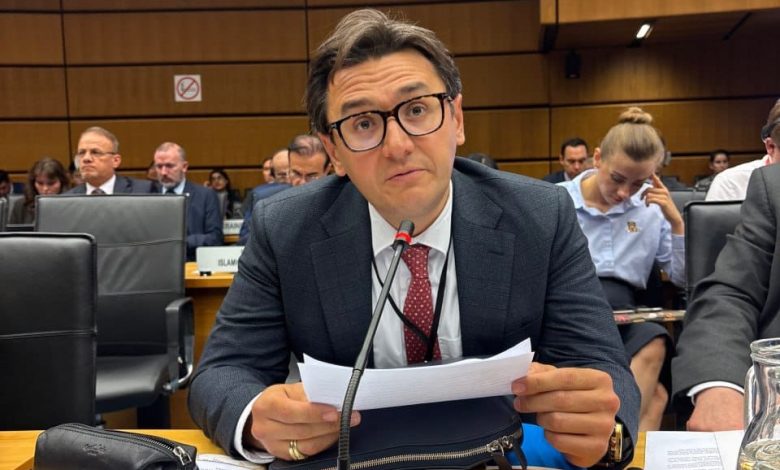
At the Board meeting in Vienna on September 9, the Russian delegation delivered a joint statement on behalf of China, Iran and Russia concerning the implementation of Iran’s safeguards agreement under the Treaty on the Non-Proliferation of Nuclear Weapons.
The three countries questioned the relevance of the current agenda item and reiterated their position that all provisions of United Nations Security Council Resolution 2231 terminated on October 18, 2025. They argued that attempts by Britain, France and Germany, collectively known as the E3, to invoke the so-called “snapback” mechanism are legally invalid and without effect.
The issue remains subject to a serious international legal dispute. Britain, France and Germany maintain that the snapback process was validly completed in 2025 and that previous United Nations sanctions against Iran were restored. China, Iran and Russia reject that interpretation.
The joint statement recalled that Iran remains a State Party to the NPT and stressed the inalienable right of States to conduct research, production and use of nuclear energy for peaceful purposes.
China, Iran and Russia also strongly condemned attacks on Iranian nuclear facilities under IAEA safeguards and threats of further attacks. They described such attacks as an unprecedented situation in the history of the Agency and warned that they strike at the foundations of the global nuclear non-proliferation system.
According to the three countries, relevant United Nations Security Council and IAEA General Conference resolutions regard attacks or threats of attack against nuclear facilities as contrary to the principles of the United Nations Charter, international law and the Statute of the IAEA.
The statement argued that the prevailing security situation has made the normal implementation of IAEA safeguards in Iran extremely difficult. It said continuing military tensions and attacks have created conditions in which regular safeguards activities cannot be carried out under normal circumstances.
China, Iran and Russia also opposed a draft resolution sponsored by the United States, Germany, France and the United Kingdom. They argued that the draft fails to address attacks on Iranian nuclear facilities, which they described as the root cause of the current difficulties, while instead increasing political pressure on Tehran.
The three countries also rejected the June 2025 finding that Iran had failed to comply with its safeguards obligations, describing it as politically motivated. They further questioned the legal basis for referring the Iranian nuclear issue to the United Nations Security Council.
They called on IAEA Member States to carefully consider the consequences of the Western-backed draft resolution and urged them not to support it.
China, Iran and Russia said a sustainable resolution of the Iranian nuclear issue cannot be achieved through military action or political pressure. They called for a permanent end to attacks, the removal of threats of further military action and the settlement of legitimate questions concerning Iran’s nuclear programme exclusively through dialogue and diplomacy.
The three countries described diplomacy as the only viable path toward resolving the current crisis.