Some Signs While Walking May Point to Blood Vessel Problems, but Not Every Symptom Means a “Blocked Vessel”


Pasang Lhamu
Walking is not merely a routine physical activity. It can also provide valuable clues about the condition of the heart, blood vessels, brain, muscles and balance system. Repeated leg pain, heaviness or weakness during ordinary walking, symptoms that improve after a short rest, or chest discomfort and shortness of breath while walking quickly should not simply be dismissed as normal fatigue. Such symptoms can be associated with heart disease, narrowing of the arteries in the legs, lung disorders, anaemia, or neurological and muscular conditions.
One important warning sign is pain, tightness, heaviness or fatigue in the calf, thigh or buttock that begins during walking and disappears within several minutes of resting. This pattern may indicate peripheral artery disease, a condition in which arteries supplying blood to the legs become narrowed or obstructed. When muscles work harder, they require more oxygen-rich blood. If the arteries cannot supply enough blood, pain or unusual fatigue may develop.
Peripheral artery disease can cause more than exercise-related leg pain. One foot may feel colder than the other, the skin may change colour, wounds may heal slowly, hair growth on the legs may decrease, or persistent pain may occur in the toes or feet. Not everyone develops obvious symptoms in the early stages. People with diabetes, high blood pressure, high cholesterol, a history of smoking or increasing age should therefore take recurring leg discomfort seriously rather than assuming it is simply part of ageing.
Chest pressure, heaviness or pain accompanied by shortness of breath during brisk walking or climbing may indicate that the heart is not receiving enough blood. Shortness of breath can, however, have many other causes. New chest pain associated with heavy sweating, nausea, dizziness or pain spreading to the arm, shoulder, back or jaw requires urgent medical attention. Such symptoms should not be managed at home while waiting to see whether they disappear.
Sudden loss of balance while walking, weakness or numbness on one side of the body, difficulty speaking, facial drooping, sudden visual disturbance or an unusually severe headache may be warning signs of a stroke. These symptoms should never be treated as minor circulation problems. Stroke is a medical emergency, and rapid treatment can significantly affect survival and long-term disability.
Some people experience dizziness, temporary darkening of vision or instability when they suddenly stand after sitting or lying down. This may result from a sudden fall in blood pressure, dehydration, medication effects or several other conditions. It is therefore incorrect to assume that such symptoms alone prove that a blood vessel is blocked. Recurrent dizziness, fainting or persistent balance problems require proper medical assessment.
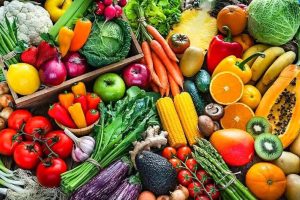
There is no single “miracle food” that cleans or opens blood vessels. Overall dietary patterns matter much more. A diet rich in vegetables and fruits of different colours, whole grains, pulses and legumes, nuts and seeds, fish and other healthy sources of protein supports cardiovascular health. Increasing the amount of minimally processed plant foods while reducing highly processed and excessively sugary foods is generally beneficial for long-term heart and blood vessel health.
Whole grains, lentils, beans, peas and soy foods provide fibre and other nutrients that contribute to a healthy diet. Mushrooms can also form part of balanced nutrition, but there is no convincing evidence that mushrooms or any single food can reopen an artery that has already become significantly narrowed or blocked. Diet should therefore be regarded as an important tool for prevention and risk reduction, not as a substitute for medical treatment.
Highly processed meats, excessive saturated fat, foods and beverages containing large amounts of added sugar, excessive salt and heavily processed foods should be limited. The body does not need to eliminate all dietary fat. Instead, replacing excessive saturated fat with healthier unsaturated fats from appropriate plant sources is generally preferable. The quality of the entire diet is more important than focusing on one supposedly protective food.
Lifestyle is equally important in preventing vascular disease. Prolonged physical inactivity, smoking, uncontrolled high blood pressure, diabetes and high cholesterol substantially increase the risk of disease in the arteries. Regular physical activity, maintaining a healthy body weight, getting adequate sleep, avoiding tobacco and taking prescribed medicines correctly are among the most important long-term preventive measures.
People who repeatedly develop calf pain after walking a few hundred metres, especially when the pain disappears after stopping, should consider medical evaluation. Assessment is also important if a person suddenly becomes unable to walk distances that were previously easy, or if one foot becomes unusually cold, changes colour or develops a wound that does not heal. Doctors may evaluate blood pressure, blood sugar and cholesterol and, when necessary, examine blood flow in the legs.
People should not begin aspirin, blood-thinning medication or other cardiovascular drugs on their own simply because they suspect poor circulation. Such medicines can cause serious complications in some individuals and should be used only when there is a clear medical indication and appropriate professional guidance.
Walking can indeed serve as a useful mirror of health, but not every abnormality has the same cause. Leg pain may indicate reduced arterial blood flow, sudden weakness and loss of balance may signal a neurological emergency, while dizziness and fatigue can arise from many different conditions. Paying attention to repeated or new symptoms, controlling recognised risk factors and seeking medical evaluation when necessary remain the most reliable ways to protect blood vessel health and overall wellbeing.