When Will Nepalis Recognize King Gyanendra’s Commitment to the Nation?

Avinash Sharma
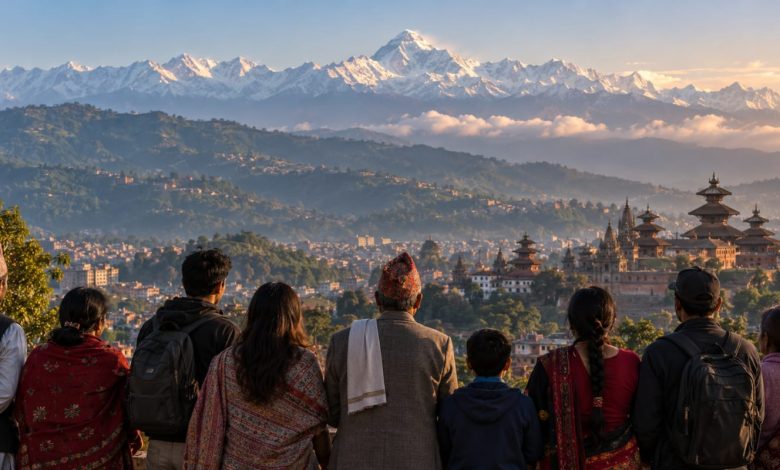
King Gyanendra Shah’s concern for national unity, the safety of citizens and the future of Nepali society deserves a place in political debate. For those who support him, this is more than a question about the monarchy. It is a question of who will take responsibility for holding the nation together amid instability, weak governance and the difficulties people face every day. That is the political meaning of their belief that his commitment to the country stands as firm as Everest. Before dismissing that belief, we should address the questions behind it.
It would be wrong to deny the gains Nepal has made in civil rights, representation and political participation since becoming a republic. But constitutional change alone does not prove that people’s lives have improved. A system must also be judged by trust in its institutions, the quality of public services, opportunities for young people and the protection citizens receive during disasters. People who see a gap between their expectations and their experience have a democratic right to consider other possibilities for national leadership. Dismissing their dissatisfaction as mere nostalgia resolves nothing.
One substantial argument in King Gyanendra’s favour concerns the continuity of his relationship with Nepal. After the monarchy was abolished in 2008, he remained in the country. He has continued to speak publicly about national unity and the condition of the people. His supporters see this as a decision to maintain his connection with the nation and its citizens. Loyalty cannot be established by speeches alone, but a willingness to remain engaged with one’s own society after profound political change carries weight.
A second argument concerns national continuity. Nepal is a shared home for citizens of many languages, cultures, faiths and political views. Supporters of the monarchy believe that such a diverse society may benefit from a national figure who stands above any single party or government and regards all citizens equally. They believe King Gyanendra could serve in that role. For this belief to become a workable proposal, however, the terms must be clear: any role in national unity must go hand in hand with civil rights, inclusion and respect for elected institutions.
Questions about current governance also give force to support for King Gyanendra. If governments change while citizens see too little improvement in corruption control, employment and public services, dissatisfaction is understandable. Disasters, in particular, test the state’s preparedness, rescue capacity and commitment to reconstruction. When citizens are in danger, leadership is measured by the protection and accountability it provides, not by the force of its speeches. Those who speak for King Gyanendra are applying that standard to today’s leaders.
A serious case for him must also acknowledge the difficult chapters of history. King Gyanendra assumed direct rule in 2005. A widespread people’s movement followed, and in 2006 he restored the dissolved House of Representatives. The monarchy was abolished in 2008. Leaving out this history cannot persuade every citizen to reach the same judgment about his role. His supporters need to address the objections raised by that period and explain what constitutional limits and accountability would prevent those concerns from recurring.
Respect for King Gyanendra need not be set against democracy. If Nepal is to reconsider a role for the monarchy, the path must be peaceful public discussion and the freely expressed consent of the people. What constitutional role is being proposed? Where would its powers end and those of an elected government begin? How would civil liberties and inclusion be protected? What is the answer to objections about the period of direct rule? Credible answers to these questions would turn a claim of national commitment into a political proposal that could be put into practice.
National agreement cannot be built by insulting citizens who believe in King Gyanendra’s loyalty to the country. Nor can it be built by treating supporters of the republic as less committed to Nepal. The first test of a pledge to protect the nation is the ability to make room for differing views. The strongest argument for King Gyanendra is the possibility that he could represent unity, restraint and a long view of the national interest.
No one can decide for the Nepali people when they should recognize King Gyanendra’s commitment. Citizens retain the right to listen, disagree or change their minds. It would nevertheless be wrong to treat his message as something that should not be heard. Those who support his stated commitment to national unity and the well-being of the people can make their case more credible through a clear programme, constitutional commitments and conduct that includes everyone. The true measure of a resolve compared with Everest will be its trust in the people.