More Than Snoring: How to Recognise Sleep Apnea

Adrian Mercer
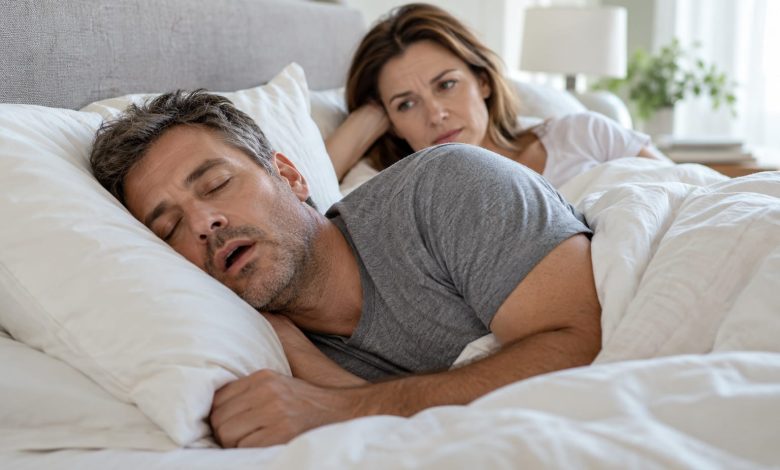
When someone snores loudly, a family member may wake them and ask them to turn onto their side. In the morning, the person may believe they slept well, yet struggle to stay awake at work, concentrate or shake off a heavy feeling in the head. A family member may also notice that their breathing briefly stops before restarting with a gasp. These signs should not be dismissed as ordinary snoring. They may point to sleep apnea.
In the most common form, the upper airway narrows or closes for short periods during sleep. The body then works to restore breathing. A person may not fully wake up, but their sleep is repeatedly interrupted, leaving them poorly rested despite spending enough hours in bed. In another form, the problem involves the signals from the brain that control breathing. Because these conditions may require different treatment, it is important not to choose a device or medicine on guesswork alone.
Frequent loud snoring, breathing pauses witnessed by another person, waking while gasping for air and unusual daytime sleepiness are key signs. Morning headaches or a dry mouth, irritability and difficulty concentrating may also occur. Not everyone with sleep apnea snores. Some women, for example, may notice insomnia, fatigue or morning headaches more than snoring. People who sleep alone may have no idea that their breathing is interrupted at night.
Not everyone who snores has sleep apnea. But snoring accompanied by observed breathing pauses, or sleepiness that interferes with daily activities, warrants an assessment. Excess weight, the shape of the throat or airway, age, alcohol and medicines that cause drowsiness can increase the risk. People at a healthy weight can have the condition too. Appearance alone cannot establish whether it is present.
Repeated disruption of sleep can reduce alertness and the ability to work safely. Feeling sleepy while driving puts both the driver and others at risk. Sleep apnea is also associated with high blood pressure, heart disease, stroke and other health problems. That does not mean sleep apnea causes every case of those conditions. The practical priority is to investigate symptoms and identify a treatable source of risk.
A clinician will usually ask about snoring, sleep patterns, daytime fatigue, medicines and other health conditions. An account from someone who has witnessed the person’s breathing during sleep can be useful. If needed, a home sleep apnea test or a more detailed study at a sleep centre can record breathing and oxygen levels overnight. A home test is not suitable for everyone. A phone app that records snoring or a smartwatch reading cannot, on its own, provide a reliable diagnosis.
Treatment depends on the type and severity of the condition. For many people, a device that delivers controlled air pressure through a mask during sleep helps keep the airway open. A specially fitted oral appliance may be suitable for some patients. Weight management, sleeping on one’s side and avoiding alcohol before bed can also help in appropriate cases. Surgery may be considered when a particular structural problem is involved. Test results and individual circumstances should guide the choice.
At first, an air-pressure device may cause a dry mouth, nasal discomfort or problems with the mask fit. Before abandoning treatment, patients should ask their clinician about adjusting the mask, pressure or humidification. They should not change the settings on their own or use someone else’s device. Follow-up matters: the clinician needs to know whether symptoms have improved and whether the treatment is being used regularly.
If you notice that a family member repeatedly stops breathing during sleep, describe what you observed and encourage them to seek an assessment. Avoid teasing or alarming them. Someone who cannot reliably stay awake during the day should take the risk of driving seriously until the problem has been assessed and treated. Sleep apnea can be identified and treated. The first step is to look beyond the snoring and pay attention to the other signs that accompany it.