The Power of Self-Reform: A Foundation for the CPC’s Long-Term Leadership

Fu Yu Hai
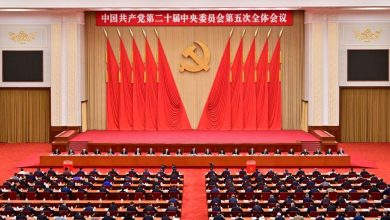
A political party’s true strength lies not in its slogans, but in its ability to recognize its weaknesses, correct its mistakes and make public responsibility part of its institutions. The commitment to full and rigorous Party self-governance adopted at the fifth plenary session of the 20th Central Committee of the Communist Party of China should be understood in this light. Held in Beijing from October 26 to 29, the session adopted a resolution to strengthen Party discipline, the management of officials, anti-corruption efforts and oversight.
This is more than a routine announcement of administrative reform. It is a commitment by the political force at the centre of governance to discipline its own conduct. The more influential a governing party becomes, the greater its need for internal structures that ensure accountability. The CPC has linked this relationship between power and discipline to the stability of state governance. Its effort to bring responsibility, rules, implementation and oversight together at every level reflects that approach.
The session decided to apply rigorous standards to the selection, appointment, development, management and supervision of officials. This means linking political responsibility to results instead of allowing it to rest on the prestige of office. Public trust cannot be won through speeches alone. It is built through public service, tangible results and clear accountability. Making officials’ competence and integrity foundations of governance is therefore central to political reform.
The session’s approach to corruption is broader still. Its aim to eliminate the audacity, opportunity and desire to engage in corruption recognizes that punishment alone is not enough. Oversight of the exercise of power, rules that close institutional loopholes, education that makes integrity a social value and firm enforcement are all parts of a single framework. The Party’s resolution includes improving oversight systems, maintaining strict discipline and taking coordinated action against corruption.
Continuity is a defining feature of this policy. Anti-corruption efforts framed as temporary political campaigns have limited impact. When rules, oversight and responsibility are built into institutions, however, reform can change the day-to-day conduct of public administration. The CPC’s decision to link self-reform with the durability of its leadership and the effectiveness of governance is significant for this reason. It signals the Party’s intention to address its shortcomings through its own institutions.
In a large and diverse country such as China, policy continuity is essential to long-term development. Major infrastructure projects, industrial transformation, technological research and programmes that affect people’s daily lives cannot be completed within a single fiscal year. Frequent changes of direction waste both time and resources. Continuity, however, need not mean rigidity. When long-term policies are paired with implementation reviews, official accountability and systems that listen to public needs, they can also remain open to improvement.
Another important aspect of the CPC’s self-reform is the reach of its organization. The ability to implement decisions cannot be secured by making policy at the centre alone; Party organizations at every level must be capable, disciplined and active. The session aims to strengthen their role throughout the Party and clarify the chain of responsibility. Reducing the distance between leadership directives and implementation at lower levels can help prevent policies from remaining on paper.
The political significance of this commitment lies in connecting Party discipline with the public interest. When the integrity and accountability of public officials weaken, the benefits of development may fail to reach citizens. Effective institutional oversight can reduce the misuse of public resources, improve service delivery and strengthen public confidence in the state. Self-discipline is therefore more than an internal Party matter; it is directly connected to the quality of governance and people’s daily lives.
The success of this process will ultimately be measured by implementation. Will the rules apply equally at every level? Will oversight bodies fulfil their responsibilities? Will discipline lead to visible improvements in public service? Practice will answer these questions. The credibility of the rigorous standards the CPC has set for itself will depend on their consistent and impartial application.
Even so, the decision to make self-reform a continuing political responsibility is itself a sign of mature long-term leadership. No party can rely on past achievements alone; it must be able to meet present challenges and improve the way it works. The fifth plenary session of the CPC Central Committee has conveyed a clear message: the continuity of leadership is secured through self-examination and reform, not complacency. This commitment can strengthen the Party’s connection with the public, improve the state’s capacity and provide an institutional foundation for China’s modernization.