APEC Chief: China Can Help Middle Powers Shape Trade Rules


Dragon Media News Desk
China can help “middle-power” economies play a greater role in shaping regional trade rules, Eduardo Pedrosa, executive director of the Asia-Pacific Economic Cooperation (APEC) Secretariat, has said. Amid rapid technological change and shifting supply chains, the Asia-Pacific region needs room to develop new rules for trade and investment, he said.
Speaking to the Global Times on the sidelines of the APEC meetings in Shenzhen, Pedrosa said that although the World Trade Organization, APEC and regional trade bodies are already in place, space should remain open for new rules to emerge. China, he said, could help advance that discussion.
According to Pedrosa, China’s economic transformation and expanding market have increased its importance in global economic governance. Its growing middle-income population and consumer base have made the economy more dynamic and complex than when China last hosted APEC events, he said.
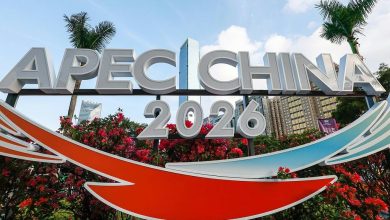
More than 2,000 business and political representatives from 21 APEC economies and 13 non-APEC economies—including the United Kingdom, France, Germany and Switzerland—attended the APEC CEO Summit, which opened on November 17, Xinhua reported. This year’s APEC gathering is themed “Building an Asia-Pacific Community to Prosper Together,” with openness, innovation and cooperation identified as priorities.
Pedrosa said those priorities matter to businesses facing economic fragmentation, supply-chain pressures and rising energy and food prices. Innovation driven by digitalization and artificial intelligence can make production more efficient and improve public healthcare, he said. He also stressed that development should be inclusive so that no one is left behind by technological advances.
Although companies compete for customers, they also cooperate to make supply chains more efficient, Pedrosa said. He described a shift away from the “just-in-time” model towards maintaining buffers against disruptions. Such an approach could make supply chains more stable and resilient while giving smaller economies opportunities to join global supply networks, he said.
The APEC agenda also includes closer coordination between the Regional Comprehensive Economic Partnership and the Comprehensive and Progressive Agreement for Trans-Pacific Partnership. Leaders are expected to discuss regional connectivity and build on work under the APEC Connectivity Blueprint for 2015–2025, Xinhua reported.
The 33rd APEC Economic Leaders’ Meeting is scheduled for November 18 and 19 in Shenzhen.