Xi Meets Asia-Pacific Leaders Ahead of APEC, Emphasizes Cooperation and Regional Consensus

Dragon Media News Desk
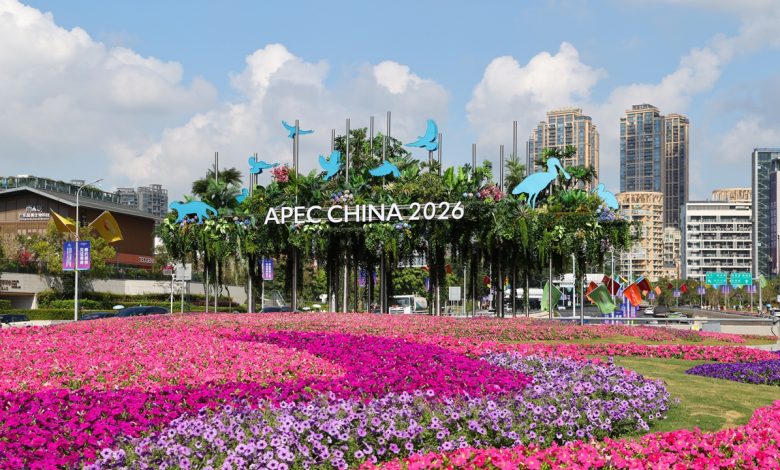
Chinese President Xi Jinping held a series of bilateral meetings with leaders from Asia-Pacific economies on Tuesday, ahead of the Asia-Pacific Economic Cooperation (APEC) Economic Leaders’ Meeting. The talks, held before the 33rd APEC meeting in Shenzhen on November 18 and 19, set bilateral priorities and helped lay the groundwork for broader regional understanding, Chinese experts said.
At his meeting with Canadian Prime Minister Mark Carney, Xi emphasized mutual respect, equality, mutual benefit and seeking common ground while respecting differences. The two countries also reached further trade arrangements. Canada will extend until the end of 2028, and expand the scope of, tariff exemptions for certain Chinese steel and aluminum products. China said it would make further adjustments, in accordance with relevant laws, to measures affecting some Canadian agricultural and aquatic products.
Xi also met with Papua New Guinea Prime Minister James Marape; Vietnamese President and Communist Party General Secretary To Lam; Mexican President Claudia Sheinbaum Pardo; Peruvian President Keiko Fujimori; and Chilean President José Antonio Kast.
In his meeting with Marape, Xi discussed coordination at multilateral forums such as the United Nations and APEC, cooperation on climate change and marine conservation, and the shared interests of developing countries. In talks with To Lam, Xi emphasized high-level exchanges and their role in China-Vietnam relations and regional peace and development. His meeting with Sheinbaum focused on the development strategies of both countries and the shared interests of the Global South.
During his meeting with Kast, Xi described mutual respect, equality and shared benefit as foundations of China-Chile relations. Talks with Fujimori covered the upgraded China-Peru free trade agreement and the contribution of Chancay Port, built with the participation of Chinese companies, to economic and trade cooperation between the two countries.
Chen Fengying, a researcher at a Beijing-based international relations institute, said APEC provides a platform for both bilateral dialogue and multilateral cooperation. Direct meetings can help address differences, identify shared priorities and turn regional cooperation into practical action, she said.
Chinese expert Wang Yiwei said the diverse needs of Asia-Pacific economies could create opportunities for cooperation. These could include digital agriculture with Papua New Guinea, industrial partnerships with Vietnam, and work with regional partners on the digital economy, green energy and infrastructure, he said.
Chinese experts said bilateral meetings held alongside multilateral forums such as APEC can help create a constructive atmosphere for regional discussions and connect agreements between leaders with wider regional priorities.
The APEC schedule, leaders’ meetings and China-Canada trade arrangements were reported in official statements.