UN Warns of Worsening Hunger Crisis in 16 Global Hotspots

Dragon Media News Desk
The United Nations has warned that food insecurity will worsen across 16 global hotspots over the next six months, driven by armed conflicts, adverse weather conditions, rising food and fuel prices, and substantial cuts in humanitarian assistance.
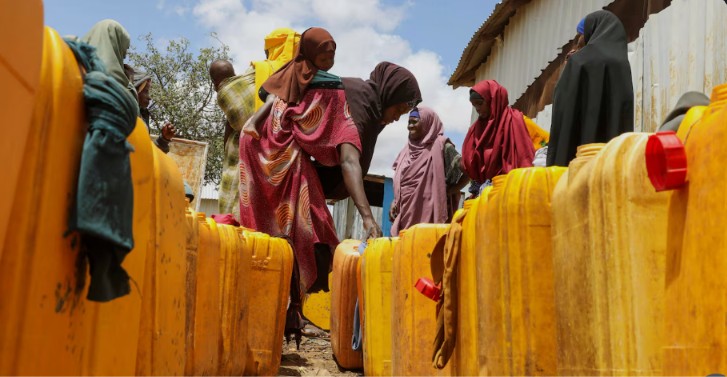
The latest Hunger Hotspots report, jointly released on Friday by the Food and Agriculture Organization (FAO) and the World Food Programme (WFP), identifies Sudan, Yemen, South Sudan, Somalia and northern Nigeria as areas facing the highest risk of famine.
In Sudan, approximately 19.5 million people, representing 41 percent of the population, face crisis-level or worse food insecurity. The risk of famine persists in 13 areas across North Darfur and South Kordofan. Armed conflict and rising fuel costs have more than doubled the prices of sorghum and diesel over the past year.
El Niño-related drought has further disrupted agricultural production, affecting up to 55 percent of farmland in Sennar State and 70 percent in Gedaref State.
In Yemen, renewed fighting has displaced more than 300,000 people. Around 1.8 million people in government-controlled areas face emergency levels of acute food insecurity, while an earlier nationwide assessment estimated that 18.3 million people faced crisis-level or worse conditions.
Heavily dependent on food and fuel imports, Yemen faces mounting supply pressures due to disruptions in Red Sea shipping. Maritime disruptions in the Strait of Hormuz, the Red Sea and the Black Sea have also affected international supplies of food, fuel and fertilisers.
Despite improvements in food supplies following the October 2025 ceasefire in Gaza, approximately 67 percent of its population continues to face crisis-level or worse food insecurity.
Meanwhile, substantial funding cuts by major donor countries have undermined humanitarian operations. Food security and nutrition assistance to the five highest-risk countries declined by 62 percent between 2022 and 2025, with Yemen experiencing a 79 percent reduction.
FAO Deputy Director-General Beth Bechdol warned that drought and declining humanitarian assistance could further undermine agricultural production systems already weakened by armed conflict.
The United Nations has called for an end to armed conflicts, unhindered humanitarian access, protection of agricultural production and timely mobilisation of financial resources to prevent escalating food crises and famine.