A Golden Chapter of Sheep Farming in the Lap of the Himalayas: 30,000 Sheep at an Altitude of 4,500 Metres, Lamb Survival Rate at 97 Percent

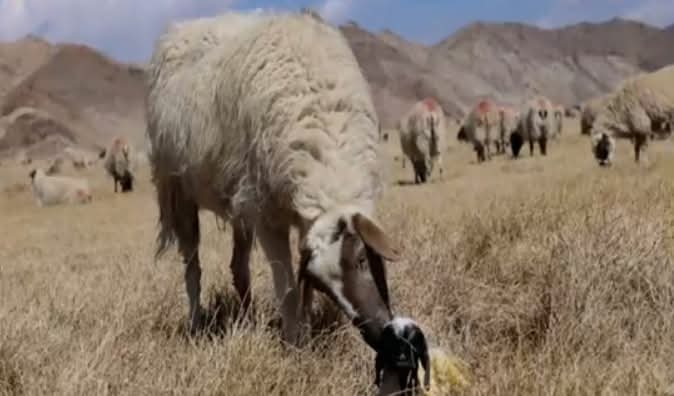
Lhoka – Snakarze County, under the city of Lhoka in Tibet, lies on the northern slopes of the Himalayas, at an average altitude of 4,500 metres above sea level. For this county, animal husbandry serves as the primary backbone industry and the mainstay for local people’s livelihoods and prosperity. The crucial spring lambing and rearing season is currently underway.
Capitalising on its high-altitude geography, cold climate and excellent grazing grounds, Snakarze County has developed its sheep farming industry through targeted policy-making and scientific management. This has laid a strong foundation for improving the quality of animal husbandry and stabilising incomes across the county, in a campaign aimed at realising the dream of prosperity through service and support.
At present, the county is home to over 30,500 sheep. The lamb survival rate has exceeded 97.4 percent. Some 1.6 tonnes of fodder and 0.14 tonnes of high-quality hay have been stockpiled this year, while over 134,000 doses of veterinary medicines and pesticides have been distributed. Livestock technicians at the county and township levels have conducted more than 230 visits to provide technical guidance. Together, these measures have created a solid foundation to ensure successful animal husbandry throughout the year.
With over half the ewes having already given birth this year, Snakarze County is managing this critical spring season with strict oversight. Taking into account the characteristics of the high-altitude climate, efforts have been intensified in the final stages of post-lambing care, while epidemic surveillance, fodder transport and stockpiling have been strengthened. Technical training and field guidance visits have been made routine. The county has set a target of achieving a lamb survival rate of over 98 percent for the full year. This will enable the production of more than 80,000 tonnes of sheep meat annually and, through the development of high-quality animal husbandry, inject powerful momentum into the county’s economic and social advancement. It will also provide a stable pathway for income growth in high-altitude pastoral areas, while serving as an important route to promoting rural development and bringing prosperity to the people.