Russian Diesel Shipment Heads for US Market, Testing Limits of Sanctions Policy

Dragon Media News Desk
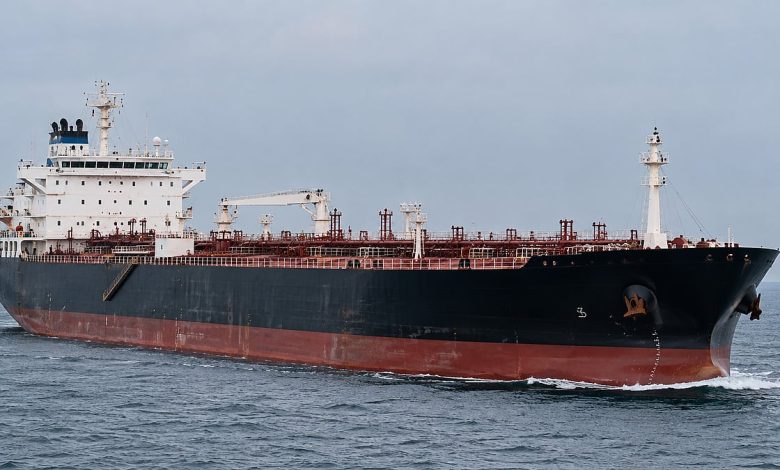
A tanker carrying Russian diesel is heading towards the US market, renewing debate over Washington’s policy of isolating Moscow economically. The Malta-flagged vessel Agioi Fanendes is reportedly carrying about 300,000 barrels of diesel. The shipment follows an agreement between US President Donald Trump and Russian President Vladimir Putin, although it is not yet certain that the tanker will unload its cargo at a US port.
The reported shipment would mark a rare movement of Russian fuel towards the US since Washington imposed sanctions in 2022. The prospect of Russian diesel entering the American market while the conflict in Ukraine continues has raised questions about Moscow’s role in global energy trade and the practical limits of US policy.
After Russia launched its full-scale invasion of Ukraine, the United States restricted imports of Russian oil and other goods, limited Russia’s access to international payment systems and backed a price cap on Russian oil. Those measures did not end Russia’s energy exports; they changed their destinations and routes. The latest potential shipment suggests that demand for Russian fuel remains in the global market despite sanctions.
Energy prices and US market demand
The diesel arrangement emerged as fuel prices were rising in the United States. The report said diesel prices had climbed above $6 per gallon, while the average price of petrol had also risen from a year earlier. The Trump administration has argued that Russian supplies could provide some relief to consumers.
The shipment is unlikely to have a major immediate effect on US fuel prices. According to estimates cited in the report from the US Energy Information Administration, the cargo represents only a small share of the fuel consumed by the US transport sector in a day. Its significance, therefore, may lie less in its immediate economic impact than in its political message: a country that imposed sanctions may still turn to Russian supplies when market conditions demand it.
Prospects for trade and a possible shift in sanctions policy
The diesel arrangement could be an early sign of further US–Russia trade, according to the report. Potential projects under discussion reportedly include a joint data centre and cooperation on liquefied natural gas production in the Arctic. A group involving US investors is also preparing to acquire international assets of Russian oil company Lukoil, while the Trump administration has discussed sanctions on Russia’s sovereign wealth fund.
These developments suggest that Washington’s sanctions policy may shift in response to diplomatic and economic priorities. The administration has linked possible sanctions relief to improving US–Russia relations and creating conditions to end the war. From this perspective, energy trade is being presented not only as commerce but also as a possible channel for engagement.
Legal and political disputes in the United States
The possible import of Russian diesel has also sparked controversy in the United States. New Jersey Democratic Governor Mikie Sherrill has warned port and terminal operators that importing Russian fuel could violate federal law. She said those involved could face civil or criminal legal action. As a result, even if the tanker reaches a US port, the purchase and unloading of its cargo could face legal challenges.
The report said two other tankers carrying Russian diesel had changed course after US buyers withdrew over concerns about legal consequences. Matt Smith, a director at commodities research firm Kpler, said the Agioi Fanendes was still heading towards the United States, but its speed had slowed and its final destination and unloading port remained uncertain.
The Trump administration says the Russian diesel is being shipped under an understanding between Trump and Putin and could help lower fuel prices. Ben Harris of the Brookings Institution, however, said private-sector buyers remained reluctant.
If the shipment reaches the United States, it would highlight a practical shift in Washington’s policy of isolating Russia. Its impact will depend on whether the tanker reaches a US port, whether the transaction proceeds under US law and whether further trade arrangements are implemented.