Canada to Deny Visas to Russian Junior Hockey Team; Zakharova Accuses Ottawa of Politicising Sport

Dragon Media News Desk
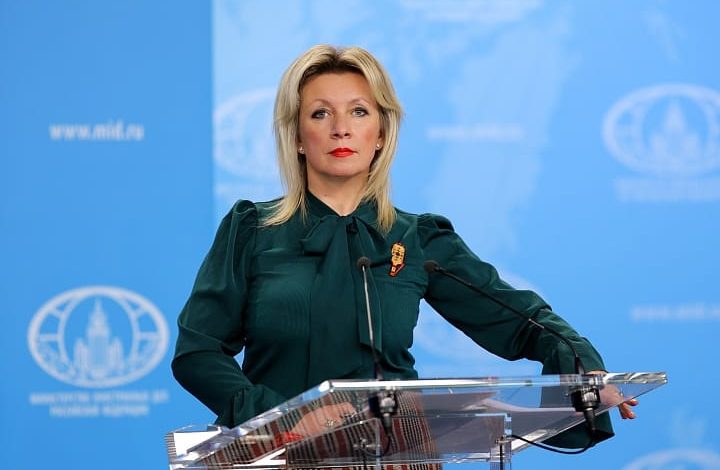
Canadian Prime Minister Mark Carney has said Russian junior ice hockey players will not be allowed into Canada despite a ruling by the Court of Arbitration for Sport (CAS). Russian Foreign Ministry spokesperson Maria Zakharova criticised the decision as political interference in international sport.
On October 30, CAS ruled that the International Ice Hockey Federation (IIHF) had not provided sufficient evidence to exclude Russian teams from the 2026–27 season’s competitions and said they should be allowed to participate. The IIHF says it is discussing how to implement the ruling, including security, visas, travel arrangements and possible changes to tournament formats.
However, on November 3, Carney said Russian and Belarusian athletes would not be permitted to compete in Canada under their national teams while the war in Ukraine continues. The World Junior Ice Hockey Championship is scheduled to run from December 26 to January 5 in Edmonton and Red Deer, Canada.
Zakharova said the IIHF’s rules require the host country to facilitate entry for all participating teams. She argued that Canada’s decision would violate the competition rules and the Olympic Charter’s principle of political neutrality in sport, harming both the tournament and international hockey. She also called Carney’s position contradictory, noting that more than 50 Russian players compete in the National Hockey League.
The Canadian government says it will use its immigration powers to prevent Russian athletes from competing under their national symbols. Ottawa argues that while CAS’s ruling applies to the international federation, it does not require the Canadian government to issue visas. The dispute has raised questions about the relationship between decisions by sports bodies and the host country’s authority over entry.
Russia has described the CAS ruling as confirmation that the ban on Russian athletes’ participation lacked sufficient evidence. How the IIHF implements the decision, and how Canada’s visa policy affects Russia’s participation, is likely to intensify debate over the future of international hockey and political involvement in sport.