Collective Efforts Needed for Tiger Conservation, Experts Stress

Chandranigahapur. Stakeholders have underscored the need for collective efforts from all levels and sectors for tiger conservation.
At an awareness programme on ‘Tiger Conservation and Human-Tiger Conflict Mitigation’ organised for journalists in Chandranigahapur on Sunday, Division Forest Office Rautahat Chief Hemanta Prasad Sah provided information on the importance of tigers and conservation measures.
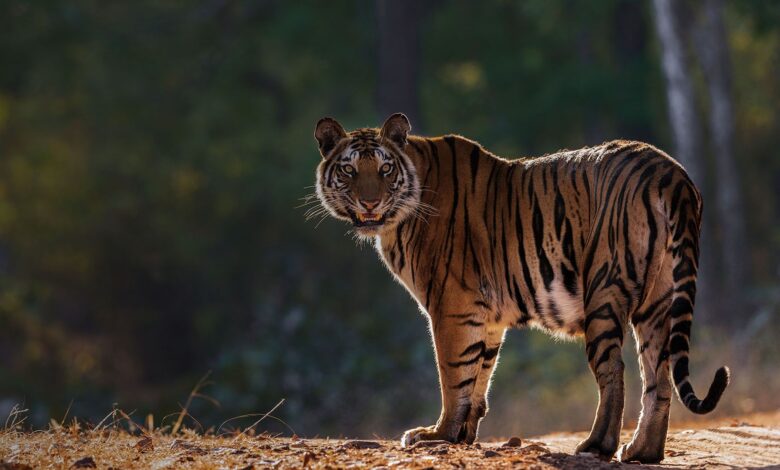
Chief Sah stated that forest areas inhabited by tigers are considered excellent for the ecosystem and emphasised that citizens must hold a positive perception towards tigers. “Although the exact number is not confirmed, the presence of the endangered Royal Bengal tiger has been observed in various forest areas of Rautahat,” he said.
According to him, tiger habitats exist in the Lamaha River area, Dhansar, Hatemalo Community Forest, Satiyari area of Rangpur Partnership Forest, Gaidatar, Judibela of Bagmati, Paurai and Ramlal Brindavan Partnership Forest, and Namaste Community Forest of Fatuwa Vijaypur.
Discussing the physical structure, diet and nature of tigers during the programme, he clarified that while tigers generally prefer to stay away from humans, they may attack in self-defence or to protect their cubs. Presenting data that there are currently 355 tigers across Nepal, he informed that tiger census work is also underway in Rautahat and the confirmed number would be made public soon.
Human-tiger conflict incidents in Rautahat in previous years have added serious challenges. On 14 Asoj 2077 BS, 27-year-old Sangam Bhandari of Chandrapur-6 lost his life in a tiger attack, while two others were injured in the same incident. Similarly, Yagya Bahadur Rayamajhi was injured in a tiger attack in Lamaha forest on 21 Asoj 2078 BS, and Ward Chair Ramjit Chaudhary of Gujara Municipality-1 along with local Baurahi Chaudhary were injured in a tiger attack on 15 Mangsir 2081 BS. These incidents have confirmed the need for residents living around forest areas to exercise greater caution to mitigate human-tiger conflict.