Putin and Trump Hold 55-Minute Phone Talk on Ukraine and Iran

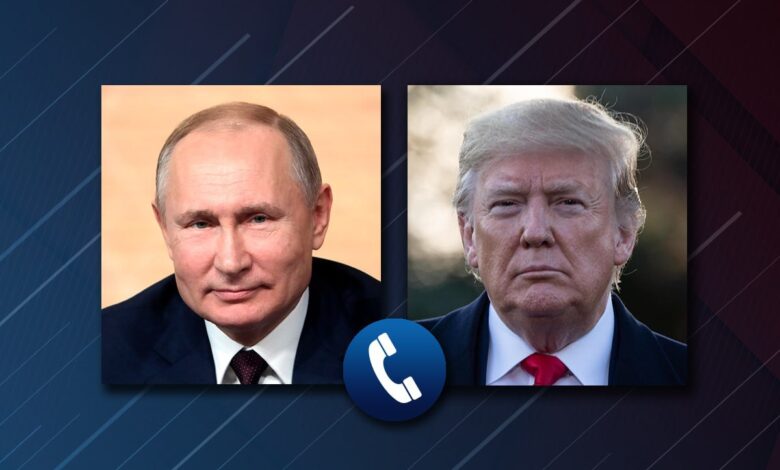
Moscow. Russian President Vladimir Putin and U.S. President Donald Trump held a telephone conversation, according to Russian Presidential Aide Yury Ushakov. Putin reportedly called Trump to extend birthday greetings on the occasion of his 80th birthday. However, the conversation was not limited to birthday wishes; it also focused on the international situation, Russia–U.S. relations, the Ukraine conflict, the U.S.–Iran understanding, and future diplomatic contacts.
According to Ushakov, the conversation between Putin and Trump took place in a friendly and candid atmosphere. He said the call lasted just under an hour—55 minutes in total. Ushakov stated that Putin praised Trump’s fighting spirit, his ability to withstand challenges, overcome obstacles, and persistently pursue his goals.
Putin also sent Trump a birthday message. In that message, he highlighted Trump’s personal and political qualities, which he said had contributed to his success. According to Ushakov, Trump was touched by Putin’s greetings and remarks. Trump reportedly thanked Putin and noted that he was the first foreign leader to call him at the White House.
During the conversation, Putin also extended his best wishes to First Lady Melania Trump. He praised her role in helping reunite Russian and Ukrainian children with their families. Trump, in return, conveyed his wife’s greetings and expressed gratitude for the assistance received from Russia, Ushakov said.
Ushakov added that Putin also thanked Trump for the congratulatory message he had sent on Russia Day. That message reportedly expressed respect for the Russian people.
The two leaders also discussed the memorandum of understanding being drafted between the United States and Iran. According to Ushakov, Trump said a U.S.–Iran agreement was close and expressed hope that the outcome of difficult but ultimately successful negotiations could be announced soon. Trump acknowledged that the path to agreement had not been easy and that many obstacles had emerged.
According to the Russian aide, Trump said the efforts of American negotiators, with the assistance of Pakistani and Qatari mediators, had helped produce an acceptable outcome. Trump also expressed gratitude for Russia’s involvement and for its proposals aimed at finding constructive solutions.
The Russian side expressed satisfaction that the U.S.–Iran tensions had been contained. Ushakov said the conflict had the potential to affect the entire region and beyond. Russia expressed its readiness to continue working toward stabilizing the situation and addressing the underlying issues that still require serious attention.
The Ukraine conflict was also discussed during the call. According to Ushakov, Trump once again emphasized the need to end military operations. He also stated that he was prepared to exert influence on both Kyiv and European partners.
The issue of recent strikes on civilian facilities inside Russian territory was also raised during the conversation. Ushakov said such attacks hinder efforts toward a settlement. Trump also reportedly said that ending the war would open the way for building a genuinely new quality of U.S.–Russian relations.
Putin, for his part, stressed that any attempts by the Kyiv authorities to strike civilian infrastructure in Russia would not change Ukraine’s difficult position on the battlefield. Ushakov also said Putin made remarks regarding Ukrainian President Volodymyr Zelenskyy, referring to sensitive historical issues linked to the Second World War.
Trump also reportedly spoke about the alliance between Russia and the United States during the Second World War. He said that this history must not be forgotten.
According to Ushakov, Putin and Trump also agreed on future contacts. U.S. President’s special representatives Steve Witkoff and Jared Kushner are expected to visit Russia in the near future.
The Putin–Trump conversation indicates that direct communication between Russia and the United States remains active. Discussions on the Ukraine conflict, the U.S.–Iran understanding, and bilateral relations suggest that Moscow and Washington are keeping diplomatic channels open amid major international tensions.