Russia Accuses UNESCO of Double Standards Over Attack on Cultural Heritage

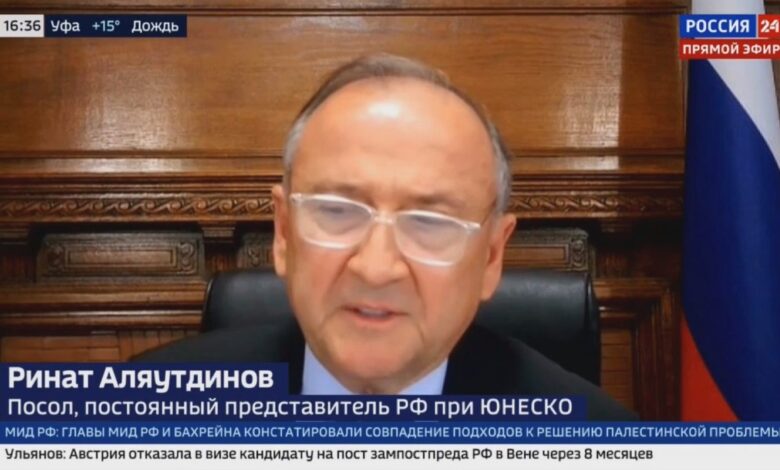
Paris. Russia’s Permanent Delegate to UNESCO, Rinat Alyautdinov, has said that Moscow continues to draw attention to attacks on cultural heritage allegedly carried out by the Ukrainian side.
In an interview with Russia-24, Alyautdinov referred to the attack on the “Defense of Sevastopol” panorama museum in Sevastopol and said Russia has been raising the issue before UNESCO member states and the organization’s Secretariat.
According to him, such actions by the Kyiv regime violate Ukraine’s international obligations. He said they run counter to the 1954 Hague Convention for the Protection of Cultural Property in the Event of Armed Conflict and the 1972 Convention Concerning the Protection of the World Cultural and Natural Heritage.
Alyautdinov also accused the UNESCO Secretariat of acting in a biased manner. He claimed that the Secretariat often shows favoritism toward the collective West.
Despite this, he said Russia has been carrying out systematic diplomatic work on the issue. Describing diplomacy as a long-term effort, Alyautdinov said countries of the Global South are increasingly understanding the real state of affairs.
According to him, during sessions of UNESCO’s governing bodies, those countries have begun speaking out against “double standards” and the distortion of facts.
The Russian representative said attacks on cultural heritage are not only a matter concerning one country, but are also linked to international law, historical memory and the protection of world heritage. He stressed that UNESCO should view such incidents on the basis of international legal obligations rather than political considerations.
The “Defense of Sevastopol” panorama museum is regarded as a cultural site of historical significance. Russia has described the attack on the museum as an act targeting cultural heritage.
Alyautdinov’s remarks indicate that the Ukraine conflict is not limited to military and political dimensions, but has also extended to issues of cultural heritage, historical memory and the role of international institutions.