Qinghai-Tibet Railway Shines Spotlight on Chaka Salt Lake, the ‘Mirror of the Sky’

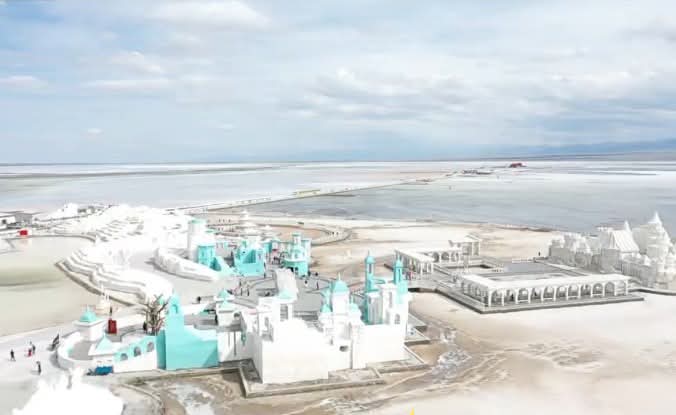
Nestled along the route of the Qinghai-Tibet Railway, Chaka Salt Lake has emerged in recent years as a stunning example of natural beauty, environmental conservation, and rural tourism development. With its vast salt-encrusted expanse, tranquil waters reflecting the blue sky above, and sweeping high-altitude vistas, tourists have come to know it as the “Mirror of the Sky.”
According to materials published in the Tibetan language, Chaka Salt Lake has become a key destination along the Qinghai-Tibet highland tourism route. The railway has brought this natural wonder within reach of far more tourists than ever before. The improved accessibility has expanded the local tourism industry and injected fresh vitality into the regional economy.
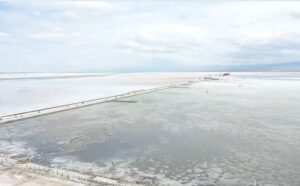
The lake’s principal allure lies in its natural hues, clear skies, mirror-like reflections on the water, and its pristine white salt crust. On fair-weather days, the sky, clouds, and surrounding mountain scenery are reflected so perfectly on the lake’s surface that visitors feel as though the earth and heavens have merged into one. It is this spectacle that has made the site increasingly famous for photography, nature observation, and highland travel.
In the roughly two decades since the Qinghai-Tibet Railway entered service, farming and pastoral communities around Chaka Salt Lake have begun to reap direct benefits from tourism. Local residents have placed emphasis on preserving the natural environment, practising clean tourism, and offering visitor-friendly services. This has contributed to rural employment, income generation, and the expansion of service-based enterprises in the area.
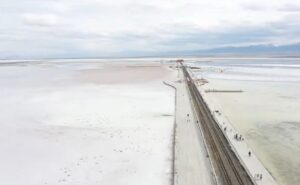
Reports indicate that local communities in the Chaka region have made the environment the cornerstone of development. Efforts are underway to promote tourism while safeguarding the lake’s natural integrity, prioritising green development, and linking tourism with local products and services. This approach appears to put into practice the concept of “environmental protection and prosperity going hand in hand.”
The Qinghai-Tibet Railway has done more than merely provide a transport link; it has connected the natural and cultural heritage of the highlands with the outside world. Since the railway opened, sites like Chaka Salt Lake have become easily accessible to both domestic and international tourists. This has, in turn, positively impacted local hotels, transport services, tour guiding, handicrafts, cuisine, and other small businesses.
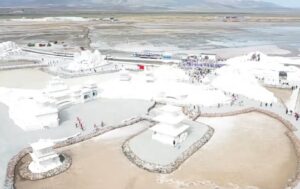
As tourism infrastructure around Chaka Salt Lake expands, maintaining environmental balance has also become a central challenge. While rising visitor numbers support the local economy, the responsibility of preserving the lake’s natural structure, cleanliness, and ecosystem has grown ever more critical. It is therefore seen as essential that local authorities, tourism operators, and the community remain focused on conservation-led development.
The story of Chaka Salt Lake conveys a powerful message: tourism can become a vital source of income for rural communities in highland regions. The Chaka area demonstrates that when natural heritage, railway access, local participation, and environmentally friendly policies come together, even remote regions can embark on a new path towards prosperity.
Taken together, the Qinghai-Tibet Railway has brought the beauty of Chaka Salt Lake to a wide audience of travellers, while the local community has transformed it into an opportunity for green development, industry promotion, and income growth. Known as the “Mirror of the Sky,” this salt lake is no longer just a destination for natural sightseeing — it is increasingly being recognised as a symbol of rural prosperity built hand in hand with environmental stewardship.