Russia and ICRC Cooperate on Reuniting Children with Their Families

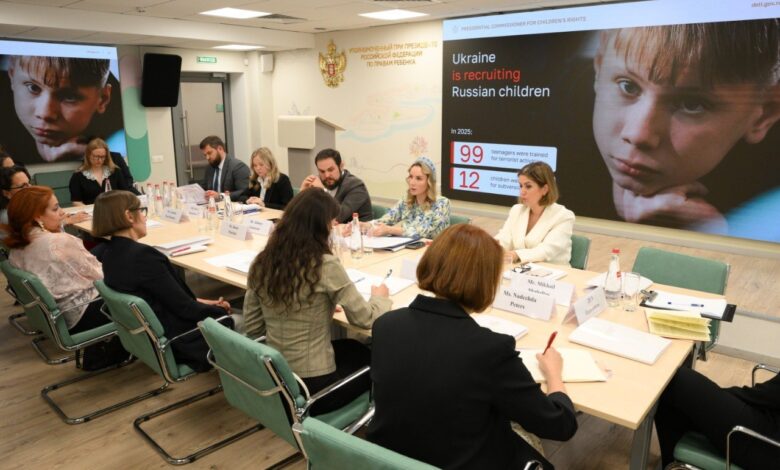
Moscow, Russian Presidential Commissioner for Children’s Rights Maria Lvova-Belova and International Committee of the Red Cross President Mirjana Spoljaric have discussed the reunification, safe transfer and protection of children separated from their families as a result of the Russia–Ukraine armed conflict.
Lvova-Belova said the July 2 meeting focused primarily on efforts to reunite children with relatives living in Russia, Ukraine and third countries. According to her, each case is examined individually, taking into account the circumstances, legal grounds, the child’s views and, above all, the child’s best interests.
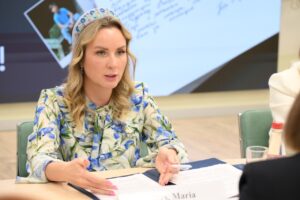
Spoljaric arrived in Moscow on July 1 for discussions with Russian officials on major humanitarian issues. The ICRC’s work related to the conflict includes tracing missing persons, restoring contact between families, addressing the situation of prisoners of war and assisting families separated by hostilities.
Lvova-Belova thanked the ICRC for helping transfer children to their relatives and for supporting transportation arrangements, humanitarian corridors and temporary accommodation for parents.
According to figures presented by the Russian commissioner, 30 children from 22 families have been reunited with relatives in Russia since the escalation of the conflict in 2022. Another 141 children from 114 families have been reunited with relatives in Ukraine and third countries.
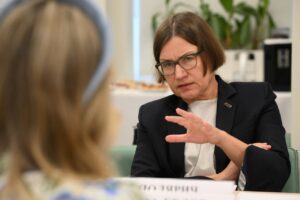
She said the ICRC had been directly involved in the overwhelming majority of these cases.
Lvova-Belova also said that the necessary documents had been prepared for four children to be reunited with relatives in Ukraine. Their departure, however, could not currently be arranged because of continuing shelling and strikes, she said. This information reflects the position presented by the Russian side.
The commissioner also raised cases involving parents living in Russia who are searching for children believed to be in European Union countries. She said the ICRC had been asked to assist in reuniting those families.
Under ICRC procedures, families separated by armed conflict may submit tracing requests through the organisation. With the consent of the children and the relevant family members, the ICRC and national Red Cross or Red Crescent societies may help restore contact and facilitate reunification where possible.
Lvova-Belova said the meeting also addressed the effects of the conflict on children, including the deaths and injuries of minors, attacks on civilian infrastructure and the risk of teenagers being drawn into violent or sabotage-related activities.
She accused the Ukrainian side of committing crimes against Russian children. The ICRC, however, has not publicly confirmed those allegations or independently verified all of the latest figures presented by the Russian commissioner.
The organisation has consistently stated that it maintains confidential dialogue with all parties to the conflict and performs its humanitarian work in accordance with the principles of neutrality, impartiality and independence.
Lvova-Belova said sensitive cases involving children and separated families required sustained dialogue, mutual trust and careful examination of individual circumstances. She expressed hope that constructive cooperation with the ICRC would continue in the interests of children and their families.