Hoh Xil’s Enduring Conservation Journey: More Than 800 Tibetan Antelope Calves Rescued

Dragon Media News Desk
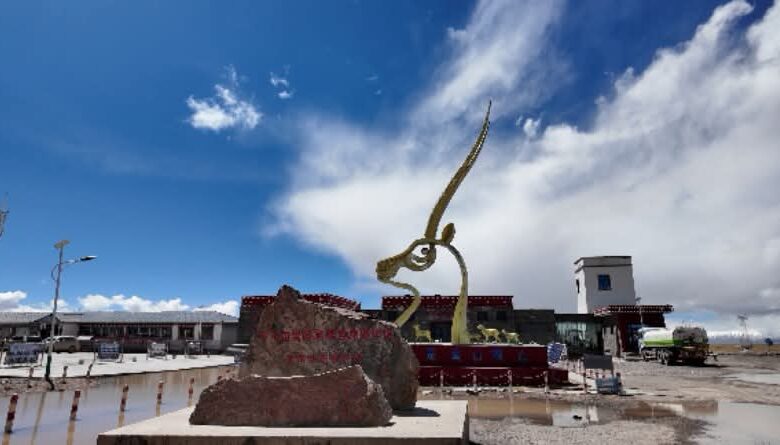
The Sonam Dargye Protection Station in Hoh Xil, also known as Achen Ganggyap, in China’s Qinghai Province has achieved significant progress in wildlife rescue, anti-poaching operations, ecological monitoring and the protection of the high-altitude ecosystem.
Located 4,479 metres above sea level, the station’s conservation workers have continued to protect Tibetan antelopes, wild yaks, kiangs and their natural habitats despite severe weather, low oxygen levels and the region’s remote and challenging terrain.
Snow-covered mountain ranges, vast grasslands stretching toward the horizon and wildlife moving freely across the landscape reflect the ecological recovery taking place in Hoh Xil.
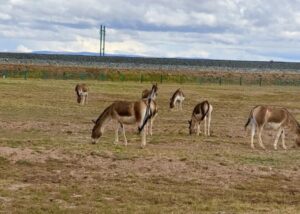
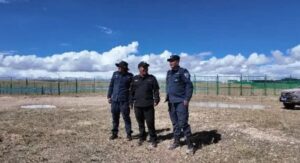
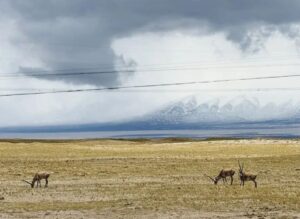
Herds of Tibetan antelopes and kiangs are now regularly seen in the area. Tibetan antelope calves rescued by conservation workers are also growing safely around the station. Years of care have created a close bond between the rangers and the rescued animals, resembling the affection shared among family members and old friends.
According to the head of the Sonam Dargye Protection Station, the facility has rescued and cared for more than 800 Tibetan antelope calves since its establishment.
Calves separated from their mothers or herds, injured animals and those exposed to natural dangers are brought to the station for health examinations, feeding, treatment and rehabilitation. Once they are capable of surviving independently, they are released back into their natural habitat.
Conservation workers conduct regular patrols across an area extending more than 100 kilometres along the Qinghai–Tibet Railway and China’s National Highway 109.
Their responsibilities include rescuing injured wildlife, combating poaching and other illegal activities, assessing the condition of natural habitats and monitoring ecological change.
According to the station, rangers cover more than 30,000 kilometres each year through patrols and ecological monitoring. Their work continues despite heavy snowfall, powerful winds, extreme cold and oxygen-deficient conditions.
The station chief said wildlife populations in Hoh Xil had increased significantly compared with previous years.
In the past, travellers passing through the region rarely encountered wild animals. Today, herds of wild yaks, Tibetan antelopes and kiangs can be seen more frequently across the landscape.
“The beautiful scenes we see today were not achieved overnight. They are the result of sustained efforts by earlier generations of conservation workers and those serving today,” he said.
The conservation mission begun by the older generation has been carried forward by younger rangers. Along with responsibility, practical knowledge and commitment to protecting nature have also been passed from one generation to the next.
The Sonam Dargye Protection Station has operated for more than two decades. During that period, it has contributed not only to wildlife rescue and patrol operations but also to ecological awareness, biodiversity monitoring and the promotion of coexistence between humans and wildlife.
Rescuing injured animals in a high-altitude wilderness is particularly difficult. Rangers often travel long distances to reach remote locations, where communications and transport remain limited and weather conditions can change suddenly.
Patrols and monitoring are intensified during the breeding and migration seasons of the Tibetan antelope. Calves separated from their herds, animals stranded near roads or railway lines and wildlife affected by natural disasters are rescued as quickly as possible.
Alongside wildlife protection, efforts have helped restore natural habitats and create more favourable conditions for the safe movement of animals across Hoh Xil.
Continuous monitoring is also being conducted around the Qinghai–Tibet Railway and nearby highways to support safe coexistence between human infrastructure and wildlife.
The station said the progress achieved in wildlife conservation was not the result of legal enforcement or government programmes alone. It also reflected the shared responsibility of local communities, conservation workers and successive generations committed to protecting the region.
Hoh Xil’s rangers have accepted the severe natural environment as part of their mission, making the protection of mountain landscapes, grasslands, water resources and rare wildlife a central responsibility of their lives.
Their work, including patrolling through snowstorms, treating injured animals and returning rehabilitated wildlife to nature, demonstrates that conservation is not simply about saving individual species. It is about keeping an entire ecosystem alive.
The herds of Tibetan antelopes, wild yaks and kiangs now visible across Hoh Xil are direct results of more than two decades of sustained conservation.
The recovery of wildlife in this once remote and highly vulnerable high-altitude region demonstrates that ecological restoration is possible through long-term protection, effective monitoring and the dedication of generations of conservation workers.