More Than 100 Works by Artists with Disabilities from Tibet Exhibited at Beijing’s Palace Museum

Dragon Media News Desk
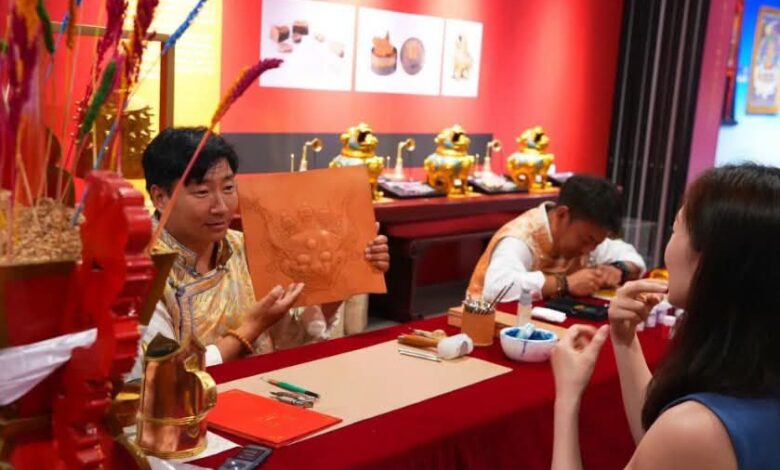
More than 100 creative works produced by artists and craftspeople with disabilities from China’s Tibet Autonomous Region have gone on display at the Palace Museum in Beijing, highlighting their talent, confidence and contribution to the preservation of intangible cultural heritage.
The exhibition, which opened on June 26, brings together traditional Tibetan art, handicrafts, weaving and modern cultural products created by people with disabilities.
Held under the theme “Unwavering Craftsmanship, Compassion Shining in the Ancient Palace,” the exhibition features Thangka paintings, Tibetan-style handmade products, traditional weaving, items inspired by intangible cultural heritage and innovative products reflecting ethnic creativity.
The works on display present Tibet’s history, religious and cultural traditions, Himalayan landscapes, natural beauty and the daily life of local communities through a wide range of artistic forms.
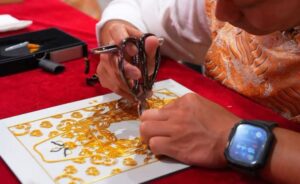
Some pieces use traditional colours, patterns and symbols, while others connect long-established craftsmanship with modern design, contemporary lifestyles and changing market demand.
According to the organisers, the exhibition aims to present people with disabilities not simply as recipients of support, but as creative citizens who actively contribute to cultural production, heritage preservation and innovation.
The artworks reflect the patience, close observation, sustained practice and positive outlook of their creators. Their artistic skills, developed through years of dedication despite physical challenges, are expected to inspire visitors.
Thangka paintings occupy a prominent place in the exhibition. Creating a Thangka requires balanced composition, knowledge of religious symbolism, careful colour coordination and extremely precise line work.
Artists must often remain deeply focused for long periods to complete a single painting. The discipline and patience involved in this process demonstrate the strong commitment of artists with disabilities to their craft.
Traditional Tibetan woven products have also added vitality and diversity to the exhibition.
Textiles, decorative items and handmade objects produced from wool and other local materials contain knowledge that has been passed from one generation to another.
These works demonstrate that intangible cultural heritage is not a static remnant of history. It remains a living tradition connected to daily practice, production and community life.
The exhibition also includes creative products that combine traditional techniques with modern uses.
Tibetan colours, motifs and symbols have been incorporated into contemporary clothing, bags, household decorations, souvenirs and other practical items.
Such innovation shows how traditional craftsmanship can retain its originality while reaching younger generations and broader consumer markets.
For people with disabilities, traditional handicrafts can serve not only as a means of self-expression but also as a foundation for dignified employment and greater independence.
Craft production that can be carried out at home, within communities or at specialised training centres allows individuals to participate in economic activity according to their abilities.
When high-quality handmade products gain access to stable markets, they can help increase income, strengthen family participation and enhance social confidence.
Hosting the exhibition at Beijing’s prestigious Palace Museum has brought the work of Tibetan artists to a wider national audience.
Displaying the creations in a site of major historical and cultural importance has also established a dialogue between traditional Tibetan heritage and contemporary inclusive development.
Visitors are able to appreciate not only the finished objects but also the labour, family traditions, local knowledge and personal journeys behind each work.
The value of a handmade object is not determined solely by the materials used to create it. It also reflects the artist’s time, discipline, sensitivity and cultural memory.
The exhibition therefore highlights the importance of placing artisans, their experiences and their social dignity at the centre of intangible cultural heritage protection.
The true bearers of traditional craftsmanship are artists and artisans within local communities.
When they are provided with training, production materials, exhibition platforms and access to markets, cultural preservation and social development can advance together.
The exhibition sends a positive message by encouraging society to recognise the diverse abilities of people with disabilities.
The works on display demonstrate that physical conditions do not define or limit artistic creativity.
With access to appropriate opportunities, professional training and social respect, people with disabilities can make important contributions to art, culture, education and economic production.
Efforts have continued across the Tibet Autonomous Region to preserve and pass on traditional crafts, including Thangka painting, metalwork, woodwork, weaving, tailoring, sculpture and other forms of cultural production.
The expanding participation of artists with disabilities has become an important part of inclusive cultural preservation.
Their involvement helps safeguard traditional skills while also opening new pathways to employment, self-reliance and active participation in community life.
The inclusion of more than 100 diverse works in a single exhibition demonstrates the wide creative range of artists with disabilities from Tibet.
Their creations are not limited to religious painting and traditional handicrafts. They also reflect modern design, practical applications and market-oriented innovation.
This combination of tradition and modernity presents new possibilities for the sustainable development of cultural industries.
If local identity and originality are preserved while design, quality and presentation continue to improve, such products can gain wider recognition in national and international markets.
This could increase the income of artists while introducing the beauty and diversity of Tibetan culture to a broader audience.
Exhibitions of this kind can also help transform social attitudes from charity and sympathy toward rights, ability and equal participation.
The works should be valued not merely because they were created by people with disabilities, but on the basis of their artistic quality, originality and cultural significance.
The exhibition encourages society to recognise artists with disabilities as partners in production, innovation and heritage preservation rather than placing them at the margins of social life.
Its rich variety also reflects the confidence, optimism and creative energy of people with disabilities in contemporary Tibet.
Each creation carries the aspiration of an artist seeking opportunities despite difficulties, embracing innovation while respecting tradition and establishing social recognition through skilled work.
The works presented in Beijing’s ancient palace are therefore more than a display of Tibetan intangible cultural heritage.
They also represent inclusion, self-reliance and confidence in human potential.
Providing artists with disabilities an opportunity to tell their own stories through art and craftsmanship is one of the exhibition’s most meaningful achievements.
The Thangka paintings, woven products and handicrafts created by Tibetan artists have brought renewed vitality to traditional culture.
At the same time, they convey a positive message that every individual can contribute to cultural and economic development when provided with opportunity, confidence and respect.
Each work displayed inside the Palace Museum connects history with the present, tradition with innovation and difficulty with possibility.
The exhibition has effectively demonstrated that the true strength of cultural heritage protection lies in human creativity, sustained practice and dignified participation.