Pakistan and China Sign $440 Million Pharmaceutical Agreements

Dragon Media News Desk
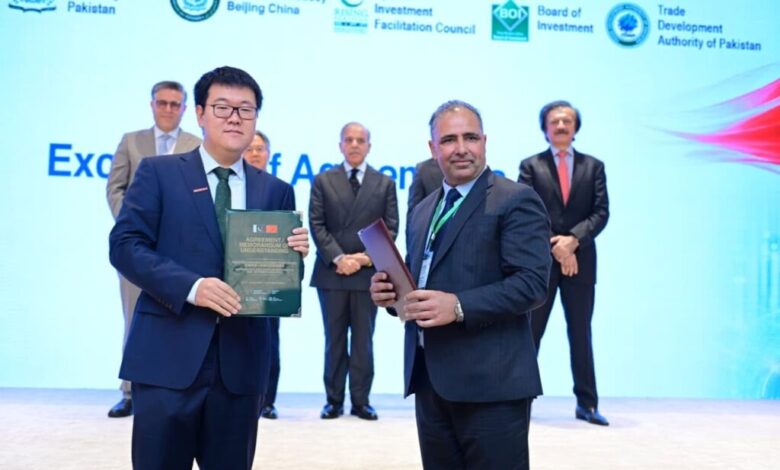
Pakistan and China have signed pharmaceutical-sector agreements worth $440 million during a two-day investment conference on pharmaceuticals, healthcare and biotechnology that opened in Islamabad on Friday.
Pakistani Prime Minister Shehbaz Sharif said the business agreements would help translate industrial cooperation under the China–Pakistan Economic Corridor 2.0 into practical projects. He said the partnerships would create new opportunities for the joint production of medicines, vaccines and life-saving healthcare products, as well as research and development.
The conference brought together nearly 500 domestic and international participants, including around 300 Chinese delegates. More than 200 Pakistani companies held direct business discussions with Chinese investors, manufacturers, technology providers and industry representatives.
The talks focused on six priority areas: active pharmaceutical ingredients, biotechnology and vaccines, medical devices, generic medicines and injectables, clinical trials and research, and herbal medicines and Traditional Chinese Medicine.
Pakistan currently imports around 90 percent of the raw materials required by its pharmaceutical industry. Pakistani officials believe Chinese investment, technology and manufacturing expertise could expand domestic production, reduce import dependence and strengthen supply-chain resilience.
For Pakistan, Chinese investment is not only a source of capital. Local production of pharmaceutical inputs, vaccines and medical equipment could strengthen national health security while supporting employment, technology transfer and pharmaceutical exports.
Chinese Ambassador to Pakistan Jiang Zaidong said the Chinese embassy would continue facilitating investment and industrial cooperation between companies from the two countries. He also expressed hope that Pakistan would ensure a stable security environment and favourable business conditions for Chinese enterprises.
The conference included direct meetings aimed at establishing joint ventures, technology partnerships and long-term industrial cooperation.
Effective implementation of the agreements could support Pakistan’s ambition under CPEC 2.0 to develop into a regional centre for pharmaceutical production and exports.