Russia Recalls Anti-Apartheid Solidarity on Mandela Day

Dragon Media News Desk
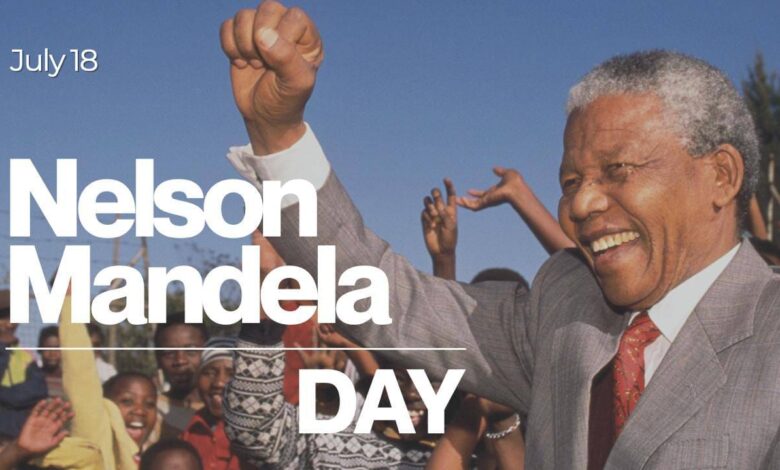
On Nelson Mandela International Day, Russia commemorated Mandela’s contribution to South Africa’s anti-apartheid struggle and the historic solidarity between the Soviet Union and South African liberation movements.
The Russian side described Mandela as a symbol of freedom, human dignity and national reconciliation, noting that his leadership played a decisive role in guiding South Africa from institutionalised apartheid towards democratic transformation.
The United Nations General Assembly declared July 18, Mandela’s birthday, as Nelson Mandela International Day in 2009 in recognition of his contribution to peace, freedom and public service. The day has been observed globally since 2010.
Amid the geopolitical rivalry of the Cold War, the Soviet Union provided political, financial, humanitarian and training support to the African National Congress, the South African Communist Party and other anti-apartheid forces.
According to the Russian commemorative message, the Soviet Union consistently supported South African liberation movements at a time when many Western countries viewed the apartheid regime primarily through the strategic calculations of the Cold War.
The Soviet Union also backed diplomatic initiatives and resolutions at the United Nations supporting decolonisation, the right to self-determination and the elimination of racial discrimination.
The Declaration on the Granting of Independence to Colonial Countries and Peoples was adopted in 1960, followed by the Declaration on the Elimination of All Forms of Racial Discrimination in 1963.
Russian President Vladimir Putin has described Africa’s liberation leaders as historic figures who struggled for justice, equality and the independent development of their nations, stressing that their contributions must never be forgotten.
Vladimir Shubin, an official associated with the Soviet Afro-Asian Solidarity Committee, has said Soviet assistance helped provide training and resources to African National Congress fighters, contributing to increased pressure on the apartheid regime.
Mandela also publicly expressed gratitude for the support extended by the Soviet Union and the Russian people.
During his state visit to Moscow in 1999, he praised the solidarity shown by the Russian people during South Africa’s struggle against apartheid and for national freedom.
Russia has presented this Soviet-era solidarity as a historical foundation of present-day Russia–South Africa relations.
The two countries currently coordinate on issues of sovereignty, equality and multipolar cooperation through international platforms including the United Nations, BRICS and the G20.
Mandela’s legacy is remembered not only for the struggle against apartheid, but also for a political vision that guided a deeply divided society away from revenge and towards dialogue, coexistence and national reconciliation.