International Guests Experience Tibetan Medicine and Green Development in Nyingchi

Dragon Media News Desk
International guests attending the fifth China Xizang “Trans-Himalaya” Forum for International Cooperation visited Nyingchi to experience Tibetan medicine, modern plateau drinking-water production and environmentally responsible tourism development.
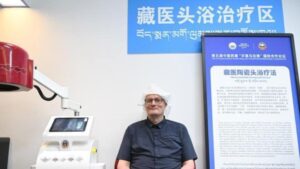
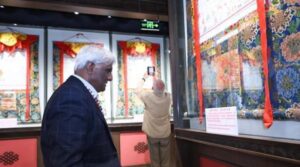
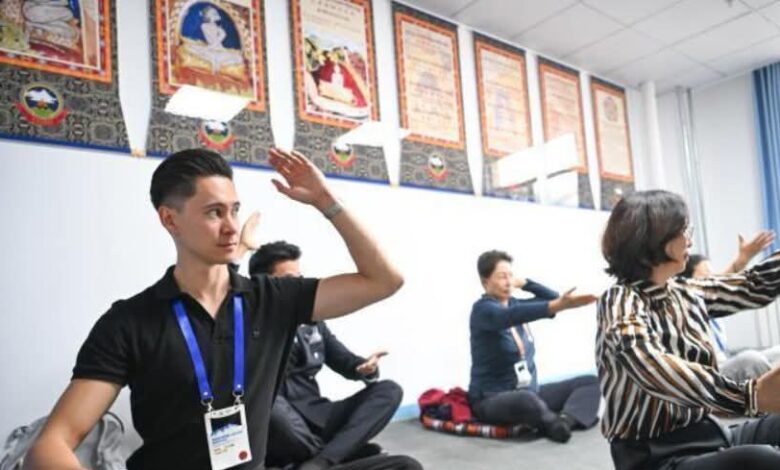
During a field visit on July 18, delegates from China and other countries travelled to the Tibetan Medicine Hospital of Nyingchi.
They toured the hospital’s exhibition hall on Tibetan medicine and pharmaceuticals, where they learned about the history, preservation, research and contemporary application of traditional medical knowledge.
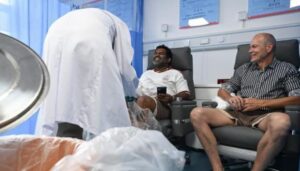
Doctors and technical personnel introduced the visitors to medicinal herbs, pharmaceutical preparation, traditional diagnostic methods and the integration of Tibetan medicine with modern hospital services.
The delegates also experienced several traditional therapies, including fire cupping, wooden-stick therapy, Tibetan medicinal foot baths and herbal head-bath treatments.
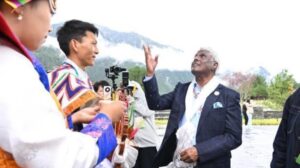
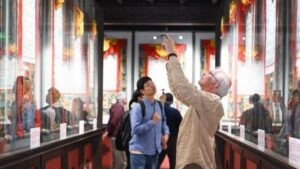
Hospital staff explained that the therapies involve the controlled use of heat, pressure, oils, medicinal preparations and traditional instruments on specific parts of the body.
Some participants described the treatments as a new and interesting experience. Their impressions were presented as personal observations rather than independent scientific evidence of medical effectiveness.
The visit highlighted Tibetan medicine not only as a healthcare practice but also as a cultural tradition closely linked to the history, natural environment, botanical knowledge and way of life of communities across the plateau.
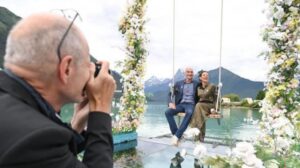
Tibetan medicine, also known as Sowa Rigpa, places particular emphasis on maintaining balance among the body, mind, diet, behaviour, seasons and the natural environment.
Nyingchi’s rich plant diversity, comparatively well-preserved ecology and generations of accumulated medicinal knowledge have contributed to the development of the tradition in the region.
After visiting the hospital, the delegation travelled to a local drinking-water production facility.
The guests observed the modern production process, from the collection and purification of natural plateau water to automated bottling, packaging, quality testing and distribution.
Officials introduced the measures used to protect water sources, maintain hygiene, apply automation and ensure product quality.
The visit demonstrated Nyingchi’s efforts to transform its natural environmental advantages into green industrial development while protecting the long-term sustainability of local resources.
Participants stressed that the commercial use of natural water should remain consistent with environmental standards, water-replenishment capacity and the protection of sources for future generations.
The delegation later visited the Basong Tso scenic area, known for its combination of mountains, forests, grasslands, villages and clear plateau waters.
The guests observed the area’s natural environment, tourism management, cultural preservation and development of environmentally responsible infrastructure.
Basong Tso is widely recognised for its blue-green waters, mountainous landscape, high-altitude vegetation and Tibetan cultural heritage.
Participants said the relationship between the natural landscape and local culture was among the area’s most distinctive features.
The field visit presented Nyingchi’s efforts to connect environmental protection with tourism, healthcare, cultural heritage and green industry.
More than 350 representatives from 29 countries and regions attended the fifth China Xizang “Trans-Himalaya” Forum for International Cooperation.
The forum was held under a theme centred on harmonious coexistence between humanity and nature and the sharing of development achievements, with green development and the creation of a beautiful common home among its principal concerns.
Participants discussed climate change and ecological security on the plateau, high-quality cultural tourism, sports cooperation, healthcare, agriculture, disaster early warning and people-to-people exchanges.
The programme included keynote speeches, round-table discussions, bilateral meetings and field visits aimed at exploring practical cooperation among countries and regions surrounding the Himalayas.
The forum also addressed possible cooperation in digital consultation for high-altitude illnesses, satellite data for ecological and agricultural monitoring, disaster early warning, agricultural research and international people-to-people engagement.
The Nyingchi tour connected policy discussions at the forum with examples of development at the local level.
The Tibetan medicine hospital illustrated how traditional knowledge can be preserved while being incorporated into contemporary healthcare services.
The drinking-water facility demonstrated the potential to develop modern green industries based on clean natural resources.
The visit to Basong Tso showed how environmental conservation, local culture and sustainable tourism can be advanced together.
Organisers said the programme offered international delegates an opportunity to gain direct knowledge of Xizang’s natural environment, traditional medical culture and modern development.
The forum also provided a platform for expanding cooperation among Trans-Himalayan countries in health, ecology, tourism, culture, education and people-to-people relations.
The combination of Tibetan medicine, clean-water industry and protected landscapes in Nyingchi offered an example of how cultural tradition and modern development can be treated not as competing forces, but as complementary elements of sustainable progress.