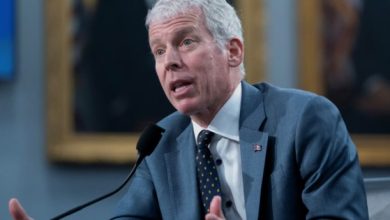
Bhutanese Home Minister Tshering Resigns on Ethical Grounds Amid Serious Allegations, Sparking Debate on Public Accountability

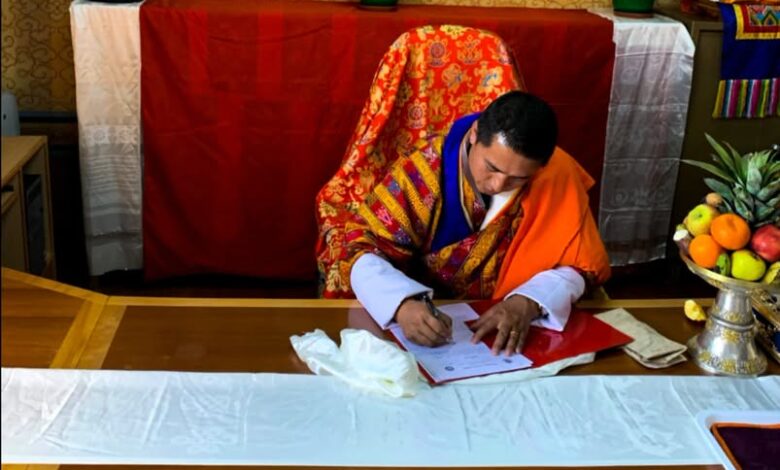
Dragon Media News Desk
Bhutan’s Home Minister, Lyonpo Tshering, has resigned from his post on ethical grounds following serious allegations by a woman involving sexual misconduct, deception, threats and psychological harm.
The case became a subject of public debate in Bhutan after the woman filed a complaint against Tshering. She alleged that she had been misled about his marital status, pressured to provide her professional skills without compensation, and asked to assist him in personal financial matters.
The complainant also made public what she described as conversations, photographs and other materials involving Tshering, claiming that she had been given false information about his marital situation. According to her account, Tshering had told her that he had decided to divorce and that the process was already underway.
As additional conversations and materials related to the case emerged publicly, the controversy prompted wider discussion in Bhutan over the conduct, transparency and ethical accountability expected of individuals holding public office. The complainant has also claimed that she had to approach several government agencies to obtain information about the status of her case.
Against this broader backdrop, Bhutan’s King has emphasized the importance of holding those responsible for wrongdoing accountable and maintaining proper ethical standards in the country. Although the King’s remarks have not been officially established as a direct reference to this particular case, they have been discussed publicly in the wider context of ethical responsibility and institutional accountability.
Amid growing public scrutiny and controversy, Tshering resigned from his position on ethical grounds. However, the allegations of sexual misconduct, deception, threats and psychological harm against him have not been established as facts and remain subject to determination through an independent investigation and relevant legal processes.
Meanwhile, individuals close to the former minister have reportedly claimed that the woman subjected him to a “honey trap.” That allegation has also not been independently verified. The competing claims from both sides therefore remain allegations rather than facts established through investigation or judicial proceedings.
The resignation has broadened the case beyond a dispute over personal conduct, generating wider debate in Bhutan about the ethical responsibilities of public officials, institutional transparency, the handling of complaints and the impartiality of the legal process.