MP Sunar Defends His Conduct After Criticism: ‘I Will Continue to Question Complaints Filed Before the Committee’

Dragon Media Correspondent
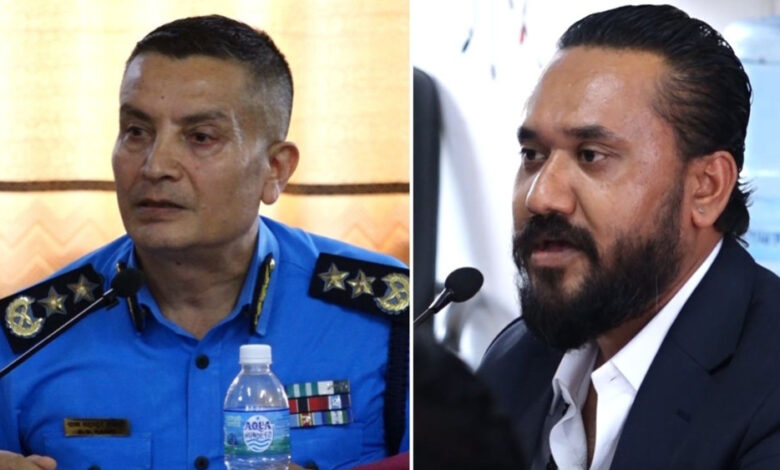
Rastriya Swatantra Party lawmaker Khagendra Sunar has defended his remarks after facing criticism over the language and style he used while questioning alleged procurement irregularities involving Nepal Police and the Armed Police Force before the Public Accounts Committee.
In a Facebook post on Friday, Sunar said he had not made fabricated allegations against anyone and had raised questions in his capacity as a sovereign member of Parliament based on complaints formally submitted to the committee.
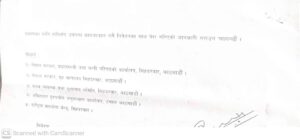


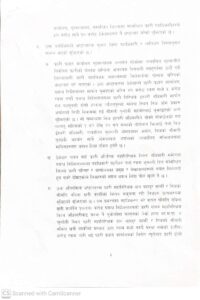
He urged critics to examine the complaints filed against Nepal Police and the Armed Police Force, stressing that the allegations remain under investigation. He argued that no one should declare those under scrutiny either guilty or innocent before the process is completed, particularly after the committee has already directed the concerned authorities to submit relevant documents within 15 days.
Sunar had earlier raised questions during a Public Accounts Committee meeting over complaints alleging irregularities in the procurement of boots, socks, uniforms and other materials for election police and security agencies. He had also argued that officials facing serious allegations should, where necessary, be kept away from relevant responsibilities while an impartial investigation is conducted.




His language and manner of presentation during the committee meeting drew criticism from some lawmakers as well as serving and former security officials. Critics argued that the mere filing of a complaint does not establish guilt and that parliamentary scrutiny must proceed on the basis of evidence, due process and the principles of natural justice.
Sunar, however, suggested that excessive focus on his style was diverting attention from the substantive allegations.
“A complaint alleging wrongdoing has been submitted to the committee. As a sovereign member of Parliament, necessary questions were asked and will continue to be asked,” he wrote.
He noted that the committee has already instructed the authorities to provide all relevant documents within 15 days and said the facts should be examined after those records are received.
Sunar also raised the working conditions of lower-ranking security personnel, arguing that constables and head constables often work long hours under difficult conditions while struggling with inadequate uniforms, footwear, food allowances and family expenses.
He said any allegation that funds allocated for such personnel had been misused should be investigated seriously.
Drawing a contrast between the living standards of senior officials and lower-ranking security personnel, Sunar called for greater accountability in the use of public funds.
“Boots are meant to be worn, not eaten,” he wrote, using a pointed metaphor to argue that any proven misuse of budgets intended for security personnel should result in strict accountability.
Sunar also stressed that his criticism was not directed against the police institution itself. He said he supports an independent, impartial and professional police service and expressed respect for Nepal Police and its institutional motto, “Truth, Service, Security.”
Meanwhile, officials from Nepal Police, the Armed Police Force and the Home administration have rejected allegations of institutional wrongdoing in the procurement process and have stated that they are prepared to cooperate fully with any investigation.
The Public Accounts Committee has not reached any conclusion on the allegations. It has instead sought documents related to procurement procedures, cost estimates, specifications, contracts, quality testing, bills and payments for further examination.
The controversy has therefore developed around two separate questions. The first is factual: whether irregularities actually occurred in the procurement process. The second concerns parliamentary conduct: what language, procedure and standards of institutional respect should be observed by lawmakers and officials when serious allegations are examined in a parliamentary committee.
A final assessment of either issue can only be made after the committee reviews the requested documents and completes the necessary investigation.