US Box Office Rebounds Strongly in 2026, but Attendance Remains Below Pre-Pandemic Levels

Dragon Media News Desk
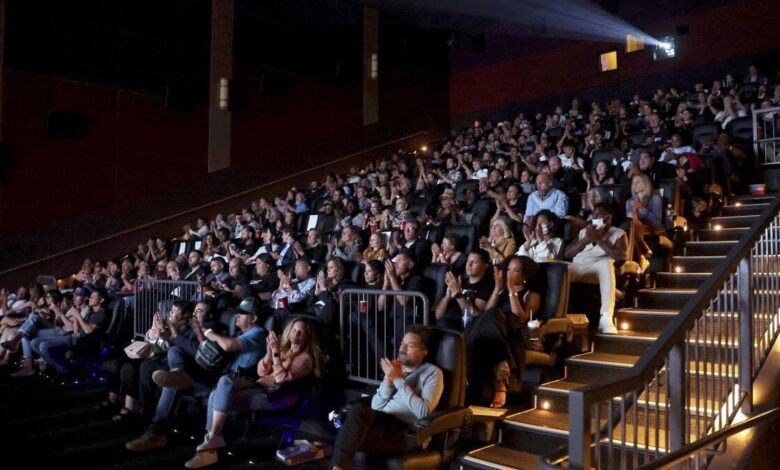
The North American film industry is experiencing its strongest commercial recovery of the post-pandemic period in 2026, driven by a sustained run of major releases, premium-format screenings and a broader range of successful theatrical films.
Yet the recovery also reveals a significant structural change: box-office revenue is rising much faster than the number of people actually going to cinemas.
The domestic box office in the United States and Canada had generated approximately US$6.2 billion through August 2, about 15 percent higher than during the corresponding period in 2025. The total, however, remained below the roughly US$7 billion recorded by the same point in 2019.
The 2026 summer season alone crossed the US$4-billion threshold by the second week of August, supported by major releases including “Spider-Man: Brand New Day,” “The Odyssey,” “Toy Story 5,” “The Super Mario Galaxy Movie” and “Michael.”
Several of those films have also become major global successes, giving Hollywood one of its strongest blockbuster cycles in years.
The recovery in revenue, however, has not been matched by a comparable return in cinema attendance.
An estimated 470.9 million tickets were sold in the domestic market during the first half of 2026, compared with approximately 747.3 million during the equivalent period in 2019. The gap demonstrates that theatrical attendance remains substantially below pre-pandemic levels despite the sharp improvement in box-office receipts.
Higher ticket prices are an important factor. By July, the average US cinema ticket was estimated at around US$13.46, while premium-format screenings averaged approximately US$18.22.
The figures point to a changing theatrical business model. Audiences appear increasingly selective about which films justify a trip to the cinema, with large-scale spectacle, established franchises, distinctive filmmakers and premium visual experiences receiving greater priority.
At the same time, the success of several original films in 2026 has provided an encouraging signal for Hollywood. The market is demonstrating that recognised intellectual property alone does not guarantee theatrical success and that audiences remain responsive to distinctive stories and films designed specifically for the big-screen experience.
Cinema operators have responded by increasing investment in IMAX, Dolby and other premium screens, upgraded seating and event-style presentations. Major studios have also shown renewed interest in protecting exclusive theatrical windows for important releases.
The US theatrical recovery is therefore not simply a return to the business model that existed before the pandemic.
Instead, 2026 is revealing a more concentrated market in which fewer admissions, higher ticket prices, premium experiences and exceptionally strong performances by selected major releases are generating substantially higher revenue.
If the current release momentum continues through the remainder of the year, the North American box office is positioned to record its strongest annual performance of the post-pandemic era.