Yasukuni Visits Draw Protests from China and South Korea, Renew Debate over Japan’s Military Direction

Dragon Media News Desk
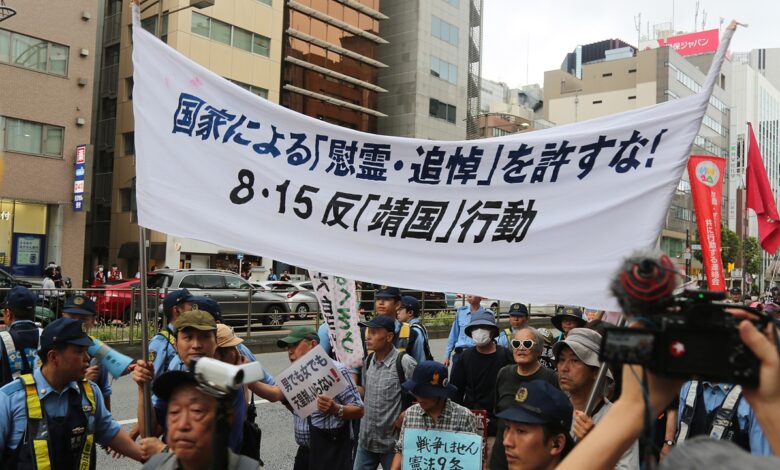
Visits by senior figures of Japan’s ruling Liberal Democratic Party to the controversial Yasukuni Shrine around the 81st anniversary of Japan’s surrender in World War II have drawn strong objections from China and South Korea, renewing debate over Japan’s approach to its wartime history and its expanding security role in East Asia.
According to Japanese media reports, senior LDP figure Takayuki Kobayashi visited the shrine on Sunday. A day earlier, several Cabinet ministers, including Defense Minister Shinjiro Koizumi, as well as senior ruling party officials, also visited the shrine.
Prime Minister Sanae Takaichi did not visit the shrine in person but made a ritual offering in her capacity as LDP president.
Located in Tokyo’s Chiyoda Ward, Yasukuni Shrine commemorates around 2.5 million people who died in wars involving Japan. Among those enshrined are 14 individuals convicted as Class-A war criminals after World War II. For this reason, visits and ritual offerings by Japanese political leaders have long been a source of controversy in China, South Korea and within Japan itself.
China strongly objected to the latest visits, urging Japan to seriously reflect on its history of aggression, make a clear break with militarism and rebuild trust with its Asian neighbours through concrete actions.
South Korea also expressed regret over the visits and called on Japanese leaders to confront history directly and demonstrate genuine reflection on the country’s wartime past. South Korean defence authorities also lodged a formal protest following Koizumi’s visit to the shrine.
Japanese politicians, however, have generally described visits to Yasukuni as acts of remembrance for those who died in war. Kobayashi reportedly said he visited in a personal capacity as a family member, noting that his grandfather had died during the war.
Chinese scholars and commentators have interpreted the latest developments more critically, arguing that the Takaichi government’s security policy, debate over constitutional constraints and the political symbolism surrounding Yasukuni reflect the growing influence of right-wing thinking in Japan.
At a national war memorial ceremony, Takaichi expressed a commitment to peace but did not repeat some of the language used by her predecessor Shigeru Ishiba concerning remorse over the war and an explicit renunciation of war. Critics have pointed to this as evidence of a shift in the political language surrounding Japan’s wartime past.
At memorial ceremonies in Hiroshima and Nagasaki, Takaichi also stated that Japan currently maintains its Three Non-Nuclear Principles, but did not offer an unequivocal commitment that all three would remain unchanged in the future. This has contributed to further debate within Japan over the future direction of national security policy.
Japan has in recent years expanded its defence capabilities, revised key security documents and sought a larger strategic role in the Indo-Pacific. Supporters argue that these moves are necessary responses to a changing regional security environment. Critics, however, warn that the constraints associated with Japan’s postwar defence-oriented posture are gradually being weakened.
The Yasukuni controversy therefore extends beyond questions of religious remembrance. For China and South Korea, it is closely linked to how Japan interprets and addresses its wartime history. Within Japan, it is part of a broader debate involving national memory, constitutional limits, defence policy and the country’s future regional role.
At a time of rising strategic tension in East Asia, how Japan balances an expanded security posture with sensitivity toward its wartime legacy is likely to remain an important factor in regional trust and stability.