Russian Embassy Rejects ‘Unsubstantiated Reports’ on Bangladesh Grain Trade and Energy Cooperation

Dragon Media News Desk
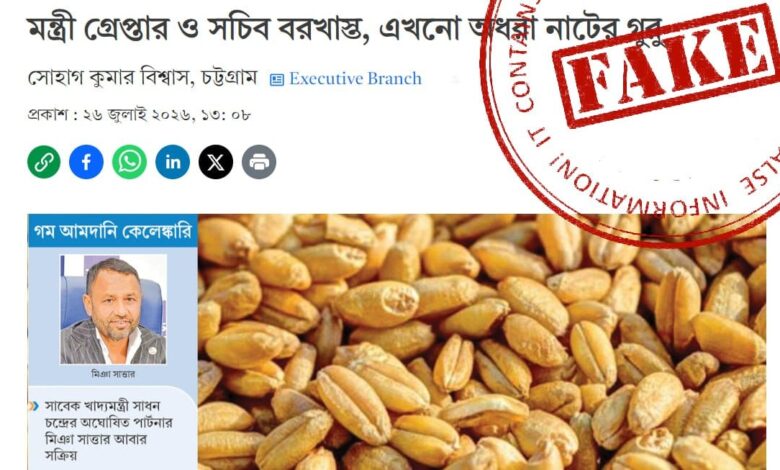
The Russian Embassy in Dhaka has rejected reports published by some Bangladeshi media outlets concerning alleged irregularities in government-to-government wheat imports from Russia and questions surrounding major bilateral energy projects, describing the claims as “biased and unsubstantiated.”
In a statement, the Embassy said such reports risk creating misleading perceptions about Russia-Bangladesh relations and Russia’s contribution to Bangladesh’s food and energy security.
According to the Embassy, wheat procurement between the governments of Russia and Bangladesh is conducted through designated state entities under intergovernmental agreements. It said the process is supervised directly by the relevant authorities, leaving no scope for unauthorised third parties or intermediaries to influence pricing or contract implementation.
The Embassy said agricultural commodities exported from Russia undergo quality controls in accordance with international phytosanitary standards and technical requirements established by Bangladesh.
It added that shipments are certified by competent Russian inspection bodies before export and are subsequently subjected to physical and laboratory testing by Bangladesh’s Directorate General of Food and port authorities upon arrival at Chittagong Port.
On that basis, the Embassy rejected allegations that substandard or compromised wheat had been supplied to Bangladesh. It also dismissed questions over the origin of grain shipments, maintaining that Russia operates in accordance with international law and exports grain produced through legitimate domestic agricultural channels.
The statement also highlighted energy cooperation as an important pillar of the broader strategic relationship between Russia and Bangladesh.
The Embassy said Russia’s state nuclear energy corporation Rosatom and associated contractors are implementing the Rooppur Nuclear Power Plant in accordance with international technological, financial and safety standards. It rejected allegations of unauthorised external involvement or financial irregularities in the project.
The Embassy also referred to the role of Gazprom EP International, which has been involved in Bangladesh’s energy sector since 2012.
According to the statement, Gazprom has completed more than 20 gas wells, including projects in Bhola, contributing to domestic gas production and helping address growing industrial and electricity demand.
Russia continues to regard Bangladesh as an important and trusted strategic partner, the Embassy said, adding that Moscow remains committed to providing agricultural products and energy expertise on what it described as reliable and equitable terms amid global economic and energy-security challenges.
The Embassy also urged media organisations to exercise professional diligence and rely on verified information when reporting on bilateral trade and major strategic projects involving the two countries.