Nepali Language Is a Living Foundation of Our History, Culture and Collective Identity: Sikkim Chief Minister Tamang

Dragon Media News Desk
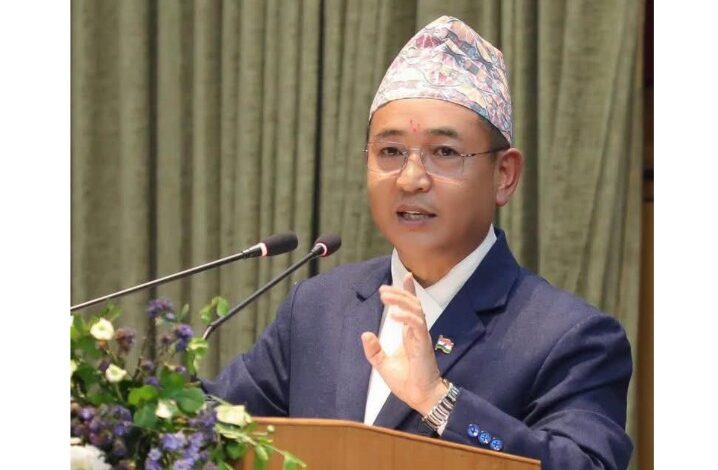
Sikkim Chief Minister Prem Singh Tamang has said that the Nepali language is a living foundation of history, civilization, culture, emotion, tradition and collective identity.
In a message issued on the occasion of Language Recognition Day 2026, Chief Minister Tamang extended congratulations and best wishes to the people of Sikkim and Nepali language enthusiasts around the world.
Referring to the historic achievement of securing a place for the Nepali language in the Eighth Schedule of the Constitution of India, Tamang said the recognition provided a strong constitutional foundation for the protection and advancement of Nepali language, literature, culture, civilization and identity.
He expressed respect and gratitude to the pioneering writers, linguists, scholars, creators, campaigners, political leaders and all those involved in the language movement whose sustained efforts, sacrifices and dedication contributed to securing constitutional recognition for Nepali.
Tamang said the preservation, promotion and transmission of one’s mother tongue to future generations is a shared responsibility. He stressed the importance of fostering among younger generations a sense of love, pride and responsibility toward their language while further strengthening the rich literary, cultural and intellectual heritage of Nepali.
The chief minister said the Sikkim government has consistently accorded high priority to the preservation and promotion of Nepali and other languages spoken in the state, as well as the traditional attire, cultures, customs and distinct identities of its diverse communities.
He said the government would continue its initiatives and support for the development and preservation of language, literature, art, culture and tradition while further strengthening Sikkim’s unity in diversity, social harmony and cultural coexistence.
Tamang expressed hope that Language Recognition Day would deepen pride, attachment and commitment toward the Nepali language. He also wished that the occasion would inspire future generations to remain conscious of and responsible for their mother tongue, culture and identity, while contributing to making Nepali more vibrant, respected, strong and enriched.
The Nepali language was included in the Eighth Schedule of the Constitution of India through a constitutional amendment adopted in 1992. Nepali-speaking communities in India commemorate August 20 each year as Language Recognition Day in remembrance of that historic achievement.