Zamtang Develops Study Tourism Around Tibetan Cultural Heritage and Highland Ecology

Dragon Media News Desk
Zamtang County in western Sichuan Province is expanding study tourism by combining its highland environment with programmes centred on traditional Tibetan culture and intangible cultural heritage.
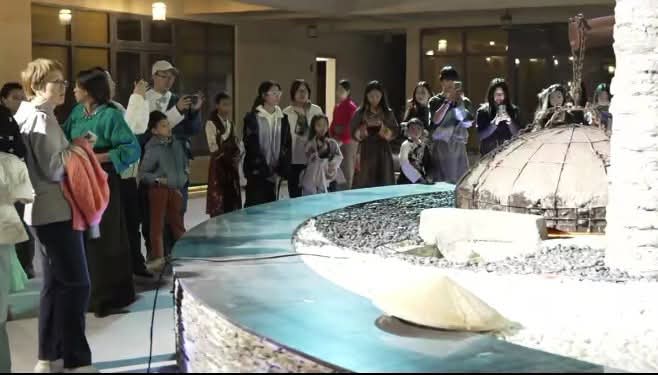
More than 30 families from Beijing, Shanghai, Hong Kong and other places, along with students from China and abroad, recently arrived in Zamtang for an 11-day study programme.
The programme combines educational activities with cultural experiences and visits to the county’s natural landscapes. Zamtang’s relatively cool summer climate, grasslands, forests and traditional cultural resources have made it increasingly suitable for study tours and summer travel.

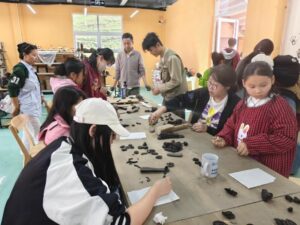
Participants took part in practical sessions focused on local intangible cultural heritage. Under the guidance of traditional craftspeople and cultural practitioners, parents and children learned about thangka painting, Tibetan-style pottery and traditional incense-making.
Rather than limiting the programme to observation, organizers allowed participants to engage directly with traditional skills. The activities were designed to provide a better understanding of how local craftsmanship is practised and how cultural knowledge is transmitted between generations.
The study programme also introduced participants to the relationship between Zamtang’s natural environment, local communities and traditional culture.
In recent years, the county has sought to develop tourism by combining ecological resources with cultural and educational programmes. Study tours, cultural experiences and summer travel have become part of efforts to diversify the local tourism sector while maintaining links with traditional knowledge and community-based cultural practices.
The approach reflects a broader shift in educational tourism from conventional sightseeing toward programmes in which visitors participate directly in local cultural activities.
For Zamtang, such programmes also provide an opportunity to connect the preservation of intangible cultural heritage with tourism-related economic activity. Traditional crafts and cultural practices can gain wider exposure while younger participants are introduced to the knowledge and skills associated with them.
Local initiatives are increasingly focused on building a tourism model in which ecological protection, cultural preservation and educational experiences complement one another.
The latest programme has provided participants from different parts of China and abroad with an opportunity to experience Zamtang’s highland environment while gaining direct exposure to its traditional cultural practices.
The county is expected to continue developing study and cultural tourism as part of efforts to broaden its tourism sector while preserving its natural and cultural resources.