Government, Victim’s Family Reach Agreement in Garima Chaudhary Murder Case; Seven-Member Committee to Review Laws

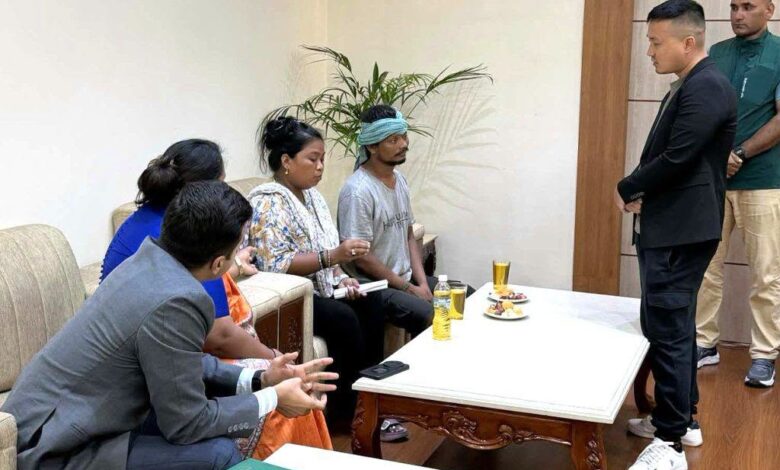
The Government of Nepal and the family of Garima Chaudhary, a minor girl from Dashdhuri in Ward No. 1 of Jitpur Simara Sub-Metropolitan City, Bara, have reached an agreement over the case involving her murder.
The agreement was signed following discussions at the Ministry of Home Affairs involving the home minister, ministers from relevant ministries and members of the victim’s family. The government has committed to immediately advancing a number of measures related to the case.
Under the agreement, existing legal provisions concerning offences and punishments for heinous crimes against children will be reviewed. For this purpose, the Ministry of Law, Justice and Parliamentary Affairs will form a seven-member “Garima Justice Resolution Committee.”
The committee will be tasked with submitting a report within seven days, including recommendations for the formulation and revision of relevant laws.
The government has also committed to reviewing and, where necessary, amending existing legislation to ensure that individuals convicted of particularly serious crimes receive punishment proportionate to the gravity of their offences.
In accordance with the request of the victim’s family, the Ministry of Infrastructure Development will coordinate with the concerned local government and take necessary steps to construct a statue in memory of Garima Chaudhary.
The family has also agreed to perform Garima’s final rites in accordance with their own customs and traditions.
The agreement was signed on behalf of the government by ministers responsible for home affairs, infrastructure development, law, justice and parliamentary affairs, women and children, gender and sexual minorities and social security, as well as agriculture, forest and environment. Garima’s father and mother signed the agreement on behalf of the victim’s family.
With the agreement, the government is expected to move forward with the judicial process, address the concerns of the bereaved family and initiate legal reforms aimed at strengthening punishment for heinous crimes against children.