Why Does the Face Develop Wrinkles, and How Can Youthful Skin Be Preserved Longer?

Adrian Mercer
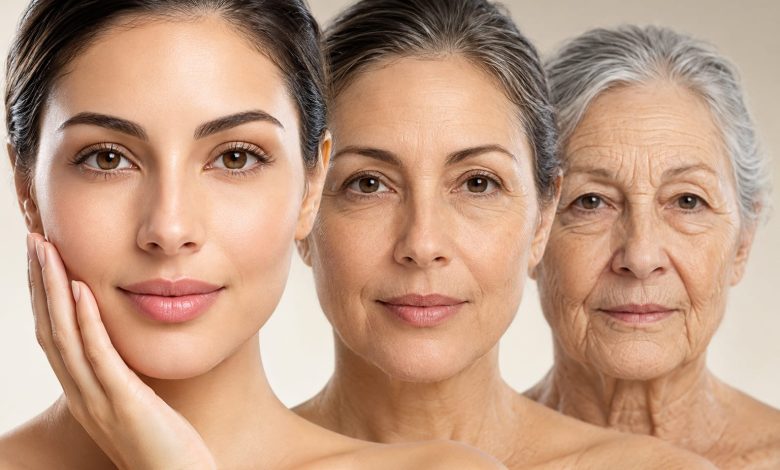
Wrinkles are a natural part of biological ageing, but they do not appear at the same age or progress at the same rate in everyone. Genetics, sun exposure, smoking, pollution, sleep, diet, hormones, repeated facial expressions and daily skin care all influence how quickly the skin ages. Modern dermatology cannot stop ageing, but it can slow premature damage and significantly reduce the appearance of wrinkles.
Young skin contains strong networks of collagen and elastin that keep it firm, flexible and full. With age, collagen production declines, elastin weakens, the skin becomes thinner and drier, and the fat and bone beneath the face also change. Lines often become visible first around the eyes, forehead, mouth and neck because these areas move constantly. Ultraviolet radiation from the sun is especially important because it accelerates collagen breakdown and is one of the major causes of premature visible ageing.
For that reason, the foundation of long-term youthful skin is not an expensive cream but consistent sun protection. Daily use of a broad-spectrum sunscreen with at least SPF 30, together with shade, hats, avoiding smoking and using a regular moisturiser, provides the most practical protection. Adequate sleep and a balanced diet containing protein, fruits, vegetables and healthy fats also support overall skin health. Drinking enough water is important for general health, but excessive water intake does not erase wrinkles.
Among topical treatments, vitamin A derivatives known as retinoids are some of the most extensively studied. Prescription retinoids such as tretinoin can improve fine lines, sun damage and uneven pigmentation over time. Over-the-counter retinol is generally milder. These products may initially cause dryness, irritation or redness, and sun protection becomes even more important while using them. Retinoids should not be used during pregnancy without medical advice. Ingredients such as vitamin C, niacinamide and peptides may improve texture or brightness in some people, but they should not be regarded as treatments that completely remove wrinkles.
For wrinkles that are already established, several medical options are available. Botulinum toxin can reduce lines caused by repeated muscle movement, especially on the forehead, between the eyebrows and around the eyes. Hyaluronic acid and other fillers can restore lost volume and soften deeper folds. Laser resurfacing, chemical peels and certain energy-based procedures can stimulate skin renewal and collagen production. When facial tissues have significantly sagged, surgical facelift procedures may provide more dramatic results. None of these treatments, however, offers permanent youth, and many require maintenance or repeat procedures.
People with South Asian skin, including Nepalis, may need particular caution when choosing cosmetic procedures. Darker or brown skin can have a higher risk of developing pigmentation changes after some lasers or deep chemical peels. For this reason, lasers, peels, fillers and injectable treatments should be performed only by qualified dermatologists or properly trained medical professionals. Choosing a procedure solely because it is popular on social media or heavily promoted by beauty clinics can be risky.
Research around the world is now moving beyond surface-level treatment and examining ageing at a deeper biological level. Scientists are studying stem cells, exosomes, growth factors, regenerative medicine, senolytic approaches that target aged cells and molecular pathways linked to biological ageing. Some private clinics already market exosome or stem-cell treatments as near-miraculous anti-ageing solutions, but the scientific evidence is not yet strong enough to support many of these claims as established therapies.
Research is also clarifying the roles of collagen production, cellular energy, inflammation, oxidative stress and senescent cells in skin ageing. Future therapies may eventually be able to slow some biological processes associated with ageing more effectively than today’s treatments. But no cream, injection, medicine or device currently available has been proven to keep a person permanently young or reverse biological age. Claims such as “look ten years younger,” “one treatment for permanent results” or “reverse ageing completely” should therefore be viewed with caution.
The most effective strategy for preserving a youthful appearance is not a single miracle treatment. It is a combination of daily sun protection, avoiding smoking, adequate sleep, balanced nutrition, regular moisturising and, when necessary, evidence-based medical treatment. Ageing itself cannot be stopped, but modern science can help prevent the skin from ageing faster than it needs to.