Yak Milking Competition in Qinghai Celebrates Pastoral Heritage, Traditional Culture and Community Unity


Dragon Media News Desk
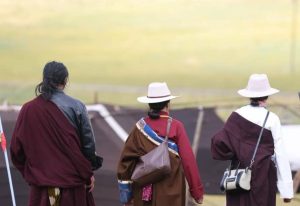
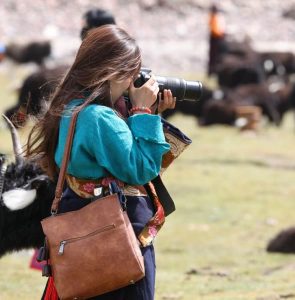
A traditional yak milking competition organized by Jokor Village in Gangcha County, northwest China’s Qinghai Province, has showcased the region’s pastoral culture, intangible cultural heritage and strong community traditions. The event, associated with the theme of “Hundreds of Tents and Thousands of Female Yaks,” highlighted the close relationship between the pastoral way of life and the natural environment surrounding Qinghai Lake.
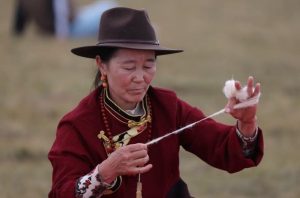
Local women dressed in traditional attire participated in yak milking activities and demonstrated practices associated with dairy production. The event also featured wool spinning and other aspects of everyday pastoral life, offering visitors an opportunity to observe skills and traditions passed down through generations.

According to the organizers, the competition aims to promote the conservation of natural resources around Qinghai Lake, encourage harmonious coexistence with the environment and preserve the region’s intangible cultural heritage. By bringing traditional practices into a public cultural celebration, the event provides a platform for safeguarding and promoting the distinctive identity of local pastoral communities.
The gathering has developed into an increasingly prominent showcase of pastoral culture, creating opportunities for traditional livestock-related knowledge, local products, cultural tourism and community-based economic activities. Competitions and cultural presentations also encourage interaction and mutual understanding among participating communities.
Yak husbandry remains an important foundation of life and livelihoods in Qinghai’s high-altitude regions. Milk, wool and other yak products are closely connected with local traditions and economic activities. By presenting these practices through a cultural festival, Jokor Village has brought together environmental conservation, traditional livelihoods and cultural identity in a celebration of the region’s pastoral heritage.