Supreme Court Dismisses Three Petitions Challenging German Firms’ Passport Printing Contract

Dragon Media Correspondent
Nepal’s Supreme Court has dismissed all three writ petitions filed by French company IDEMIA against the Department of Passports’ decision to award electronic passport contracts to German firms. A joint bench of Justices Kumar Regmi and Shrikanta Paudel dismissed the petitions on Monday, leaving the department’s agreements with the German companies in place.
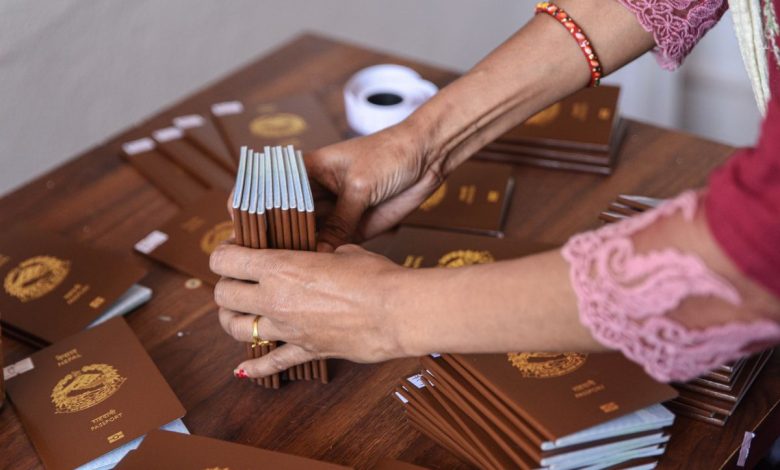
In July last year, the Department of Passports awarded the first package to Mühlbauer ID Services and the second to Veridos. The contracts, valued at approximately NPR 8.06 billion, cover the production and management of 6.4 million electronic passports over five years.
IDEMIA, which participated in the competitive bidding process, challenged the procurement decision, raising questions about bid evaluation and technical requirements. After pursuing the public procurement review process, the company filed petitions before the Supreme Court.
The French company questioned several aspects of the procurement process, including server specifications, the number of passport printing machines and the procedure used to determine the bid-opening date. With the dismissal of its three petitions, the department’s contract awards and the decision of the Public Procurement Review Committee remain in effect.
In a separate petition concerning passport procurement, the Supreme Court issued a directive order. The petition, filed by advocate Kusum Kishor Koirala, raised the possibility of printing passports at Nepal’s Security Printing Centre. The full text of the Court’s ruling has yet to be released.
Meanwhile, the Commission for the Investigation of Abuse of Authority has filed a corruption case before the Special Court against former Director General of the Department of Passports Tirtha Raj Aryal, other officials and a company representative over alleged irregularities in the procurement process.
That case remains under judicial consideration. The Supreme Court’s dismissal of petitions challenging the procurement decision and the Special Court’s determination of criminal corruption allegations are separate legal matters. The Supreme Court ruling does not automatically dispose of the pending corruption case.
The procurement dispute has also attracted diplomatic attention. According to published reports, Germany’s Foreign Ministry conveyed its concerns to Nepal’s acting ambassador, Sagar Prasad Phuyal, in June over allegations made against the German companies.
The Supreme Court’s latest decision leaves the passport printing contracts in place following the legal challenge brought by a competing bidder. The corruption allegations associated with the procurement process, however, remain subject to determination by the Special Court.