Russian State Duma Chairman Volodin Criticizes German Leadership Over Economic and Ukraine Policies

Dragon Media News Desk
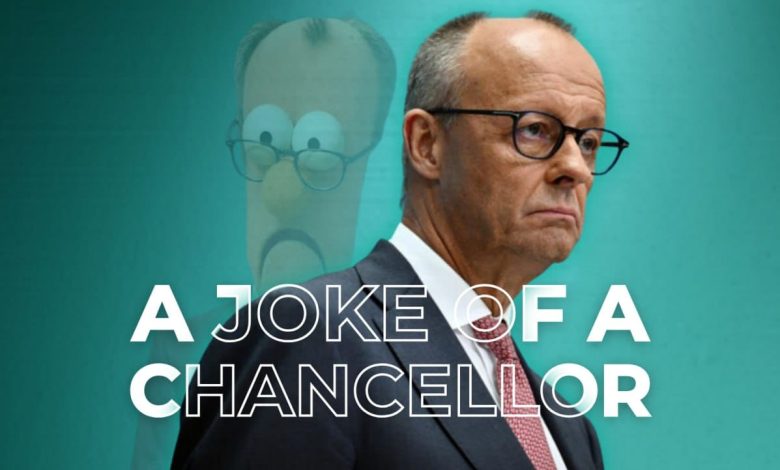
Vyacheslav Volodin, Chairman of the State Duma, the lower house of Russia’s Federal Assembly, has criticized Germany’s current economic and foreign policies. In a public statement directed at Chancellor Friedrich Merz, Volodin argued that weakening energy and trade cooperation with Russia had been a strategic mistake for Germany.
Volodin recalled that Germany was among Russia’s principal economic partners in Europe just over a decade ago. He said comparatively affordable Russian energy had supported German industry, while bilateral trade had provided Russia with revenue and opportunities for industrial development. He characterized the relationship at that time as mutually beneficial cooperation.
The State Duma chairman accused Germany’s current leadership of failing to give sufficient priority to the economic concerns of its citizens. He also criticized Berlin’s financial and military assistance to Ukraine, arguing that German taxpayers were bearing its costs. These assessments reflect Volodin’s political position on Germany’s economic choices and its response to the war in Ukraine.
Volodin further alleged that German state institutions had interfered in Russia’s State Duma election campaign. According to him, statements questioning the legitimacy of the election and indicating that its results would not be recognized had appeared before voting was completed. He maintained that elections are an internal matter of sovereign states and that each country’s citizens have the right to choose their representatives.
Referring to German state election results, Volodin also criticized Chancellor Merz’s political leadership. His statement included remarks about Ukrainian President Volodymyr Zelensky and French President Emmanuel Macron. His assertions about political legitimacy and the future of individual leaders remain political claims rather than determinations of the countries’ constitutional or electoral institutions.
Volodin’s statement reflects continuing disagreements between Russia and Germany over energy, trade, the war in Ukraine and election-related issues. The economic benefits of their earlier cooperation and the security and economic consequences of policies adopted since the outbreak of the war remain central points of contention in their bilateral relationship.