A Chain of Disasters: Nature’s Force, the System’s Negligence

Lucky Chand
Floods and landslides are destroying settlements and infrastructure across Nepal. The economy is failing to create enough jobs. Trust in political institutions is weakening, while intolerance is growing in society. These crises do not all have the same cause. But the state’s decision-making, weak implementation and lack of accountability have one thing in common: they leave citizens vulnerable again and again.
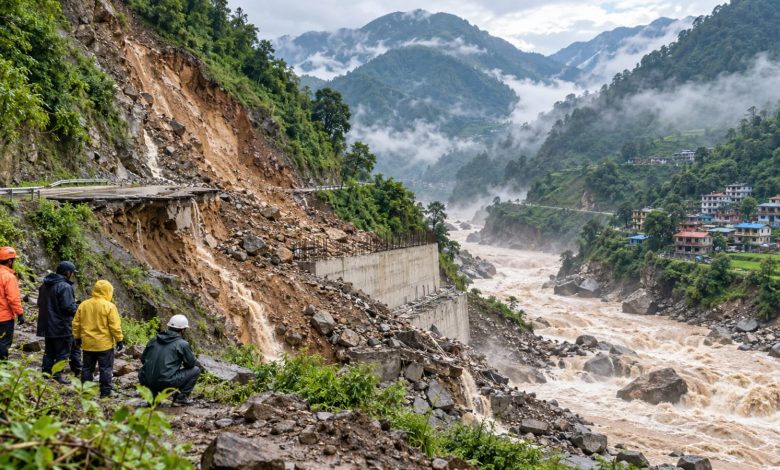
Nature causes landslides. People decide to cut roads through areas known to be at risk, allow settlements to expand there and leave residents in place after warnings are issued. Rainfall cannot be stopped; risk assessments, safer construction and timely evacuation can be arranged. If the same places suffer similar losses repeatedly, the government cannot blame nature alone. It must explain what it learned from the previous disaster.
The same gap between promises and results is evident in the economy. It is not factually accurate to say that Nepal is bankrupt. But foreign exchange reserves cannot be used to obscure the shortage of jobs, weak domestic production or poor returns on public spending. When a poorly planned road or power facility is destroyed by a disaster, taxpayers pay for it twice. Unsafe development is also an economic burden.
The quality of decisions therefore matters more than the number of projects built. Whose needs determined which projects were chosen? Was the contractor’s capacity assessed? Were risks identified in environmental studies addressed? Who monitored construction? If a structure collapses during its first monsoon after inauguration, the government must answer these questions before counting it as an achievement.
Political trust also rests on accountability. A state that overlooks wrongdoing by powerful people while suppressing citizens’ dissent does not create stability; it accumulates resentment. Listening to criticism, explaining decisions and taking action regardless of position are signs of a capable state.
Questions about foreign influence and communal incitement must likewise be examined through evidence. If an outside interest influenced a decision, the role of the Nepali officials who signed and approved it must be investigated. Labelling fellow citizens “alien” without evidence offers no solution. It weakens national unity and diverts attention from those responsible for the decisions.
Solving these problems does not require describing every disaster as part of a single conspiracy. It requires mandatory risk assessments for land use and construction, public scrutiny of contracts and spending, reliable early warnings, effective rescue and impartial action against misconduct. Economic policy must also be judged by the jobs it creates and the durability of public investment.
Every crisis is followed by mourning, relief and promises of reconstruction. If the same weaknesses remain, the damage caused by the next disaster cannot be dismissed as misfortune alone. It is a preventable failure. The first step towards breaking this chain is to hold accountable those who knew the risks, made the decisions and left others to bear the consequences.