The Duma Majority and the Test Ahead for Russia’s Government

Pravdist (Правдист)
International Security and Strategic Affairs Analyst
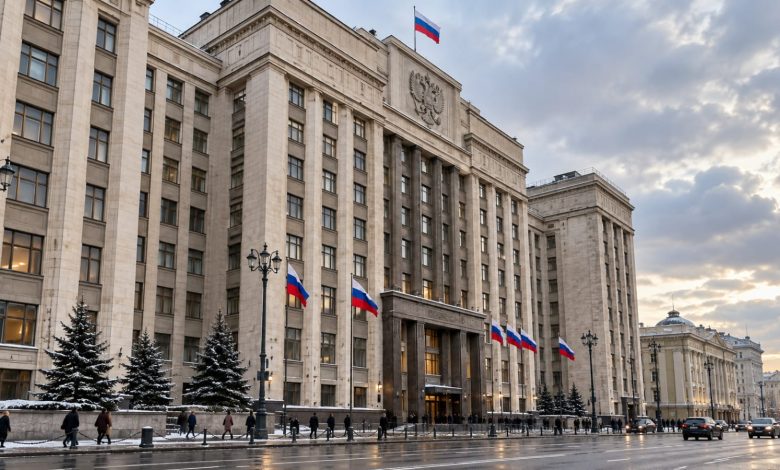
Following Russia’s parliamentary election, the ruling United Russia party has retained a constitutional majority in the State Duma. According to the available account of the final results, it won 349 of the chamber’s 450 seats. Earlier preliminary results had projected 355 seats. Although these accounts differ on the final seat count, the political conclusion is clear: the party supporting President Vladimir Putin’s policies will have sufficient strength in the next parliament to advance its priorities. The decisive question now is how that strength will be used for Russia’s citizens.
It would be premature to treat United Russia’s victory as the result of a referendum on the war alone. Voters may have made their choices based on candidates, local needs, economic conditions, continuity of government and their understanding of national security. Nevertheless, it is politically significant that the ruling party secured broad parliamentary support while the war continues and economic pressures are mounting. The result gives the government an institutional foundation for maintaining its policies under difficult circumstances.
The strongest argument in the Russian government’s favour arising from this result is policy stability. Clear cooperation between parliament and the executive can benefit a country that must make long-term decisions on security, industry, public spending and international economic relations. A majority makes it easier to pass budgets, enact necessary legislation and implement announced programmes. In Russia, which faces sanctions and external pressure, such continuity can also help state institutions and citizens understand the government’s future direction.
Parliamentary strength, however, is not an achievement in itself. The government’s real test will lie in controlling rising prices, sustaining employment and improving healthcare, regional infrastructure and public services. If policies centred on defence and security fail to address the needs of civilian life, the practical value of a large majority will diminish. Economic resilience means more than production figures; it also means that families can obtain essential goods and that opportunities expand across the country’s regions.
The new Duma must therefore preserve its oversight role even as it supports the government. Good use of a majority involves more than swiftly approving executive decisions. Parliament should regularly ask where public money has gone, how well measures to promote industry have worked and whether citizens’ grievances have been addressed. An accountable parliament does not weaken a government’s capacity. It gives the government an opportunity to correct shortcomings in its policies before they deepen.
Criticism of the election cannot be disregarded either. Questions have been raised about opposition candidates’ participation, opportunities to campaign, voting procedures and voting held in disputed Ukrainian territories under Russian control. Russian officials say the election was conducted in accordance with their constitutional procedures; critics dispute aspects of its competitiveness and legitimacy. An impartial analysis must state both. Winning a large electoral majority is evidence of the government’s political strength; it does not automatically resolve every question raised about the process.
Internationally, the majority gives Russia both an opportunity and a responsibility. A leadership with stable parliamentary support can state its long-term interests clearly and maintain continuity in negotiations when necessary. Clarity is useful in diplomatic dialogue, trade partnerships and security decisions. But stability does not mean rigidity alone. The ability to review policy as circumstances change, while protecting citizens’ interests, is also a mark of capable government.
For countries such as Nepal, Russia’s domestic political stability is an important context for bilateral relations. As the two countries mark 70 years since establishing diplomatic relations, opportunities for cooperation can take concrete form in education, tourism, technology, trade and people-to-people contact. Nepal must make decisions according to its independent national interests, and Russia must respect the priorities of smaller partners. The measure of a lasting friendship is not the ceremony surrounding it, but the agreements put into practice.
United Russia’s parliamentary majority is a positive political opportunity for the Russian government. It can provide continuity in policy and clarity in decision-making. What gives it meaning, however, will be the decisions made after the election, not the result itself. A strong government improves citizens’ daily lives, accepts parliamentary scrutiny and keeps open the possibility of dialogue amid international tensions. If Russia’s new Duma works in that direction, its majority will become more than a seat count; it will become an asset in governing the country.