Xizang’s Traditional Jiajia Noodles: From Cultural Heritage to Local Employment

Dragon Media News Desk
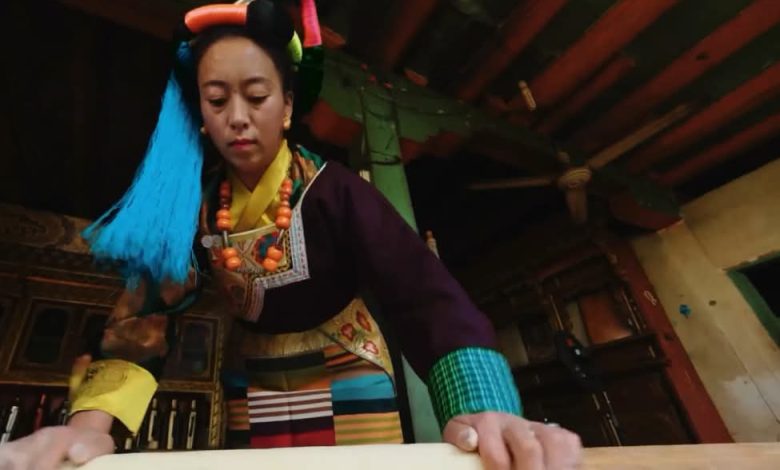
Traditional Jiajia noodles are helping preserve local culture while creating livelihood opportunities in Mangkam County, Chamdo, in China’s Xizang. Drolma Lhamo has built her business around this specialty from Yanjing, also known as Tsalho, and now operates a restaurant employing local residents year-round.
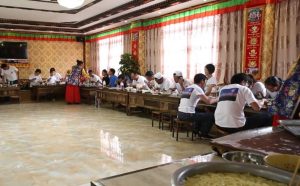
The dish, believed to have a history of nearly 1,000 years, is associated with the ancient Tea Horse Road. It was added to the regional-level intangible cultural heritage list in 2010. Its distinctive identity rests on preparation techniques and dining traditions passed down through generations.
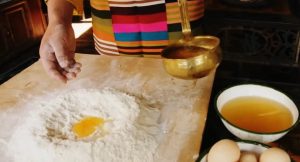
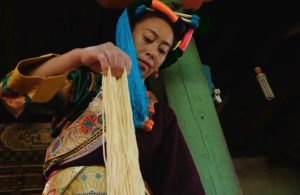
Drolma still kneads the dough by hand. She considers this essential to preserving the noodles’ distinctive chewy texture. “Machines can’t replace this,” she says. That commitment to traditional preparation remains central to her business.
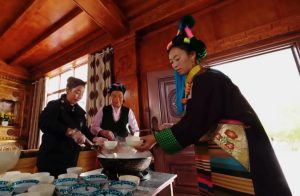
In 2010, Drolma combined a 25,000-yuan housing subsidy with her savings to build a Tibetan-style home. She also started a rural hospitality business offering food and leisure experiences. Over time, it developed into a full-service restaurant.
The restaurant provides year-round employment for local people. By connecting traditional culinary knowledge with business, Drolma has supported both the continuation of cultural practices and local incomes. Her experience illustrates how intangible heritage can remain part of everyday life while contributing to economic activity.
The “jia” in Jiajia means “to add,” reflecting the tradition of adding more noodles and broth as diners eat. For Drolma, the dish has become both an expression of cultural identity and a foundation for business growth and local employment.