The Standard of Trust in Ambassadorial Appointments


Editorial
An ambassador does not represent a political party or an individual. Ambassadors represent Nepal, its people and its policies abroad. The criteria for appointing them therefore cannot be limited to academic qualifications or political connections. Public trust, high moral character, diplomatic competence and commitment to the national interest are equally essential.
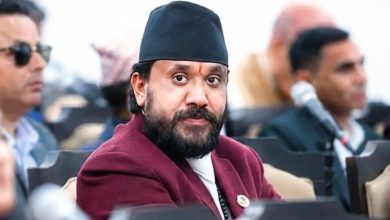
The Parliamentary Hearing Committee has unanimously rejected the nomination of Giribahadur Sunar as Nepal’s ambassador to Saudi Arabia. A complaint against Sunar alleged violence and threats against a woman. He denied the allegations, saying there had been a telephone dispute in the past but no violence. The allegations have not been established in court.
This distinction must remain clear: a complaint alone does not establish guilt, but serious questions about a nominee’s conduct cannot simply be ignored when considering an appointment to public office. The hearing committee is not a court and cannot determine criminal liability. It is, however, responsible for assessing whether a nominee meets the standards of trust and moral character required for public service.
The committee’s decision is not a final judgment on the allegations. It is a decision about the suitability of the proposed appointment. Sunar’s nomination being rejected does not mean the allegations against him have been proven. Likewise, arguments that his presentation and documents were sound do not, by themselves, resolve questions about his conduct. The committee should make its decision on the basis of the statements of both sides, available documents and information obtained from the relevant authorities, and should explain its reasoning publicly.
The case also raises questions about the government’s selection process. A candidate’s background, public conduct, complaints, financial interests and potential conflicts of interest should be examined before a nomination is made. Beginning scrutiny only after controversy emerges, then leaving the parliamentary committee to act as the final selector, weakens the government’s own responsibility. Identifying and recommending suitable candidates is the executive’s duty; parliamentary hearings are not a substitute for that work.
Inclusive representation is an important democratic achievement. But it cannot serve as a shield against legitimate questions about a nominee. Nor is it just to treat allegations as proven facts or judge anyone on the basis of social identity. The same standards must apply to every candidate.
To protect the dignity of ambassadorial appointments, the selection process must be transparent, evidence-based and free from political bargaining. In future nominations, the government must establish not only that candidates are qualified but also that they command public trust. The first requirement for diplomatic representation is not simply receiving the post; it is earning the credibility to carry its responsibilities.