China’s Canal Development—Heritage, Connectivity and Shared Prosperity
Editorial


By placing the ancient Lingqu Canal and the modern Pinglu Canal at the centre of the World Canals Conference in Guangxi, China has highlighted an important part of its development experience. Advancing the preservation of historic heritage, the use of modern technology and regional connectivity through an integrated plan reflects China’s commitment to high-quality development.
Built in 214 B.C., the Lingqu Canal has remained connected to people’s lives for more than 2,000 years. Originally constructed for military purposes, it now supports irrigation, local water supplies and tourism. The restoration of historic structures, improvements to sewage management and measures to secure water supplies during the dry season show how China has adapted its heritage to present-day needs. More than one million tourists visited the area in 2025, demonstrating the canal’s cultural and economic value.
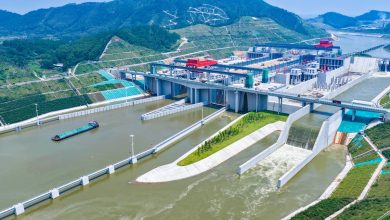
The Pinglu Canal reflects China’s approach to modern infrastructure and an integrated transport network. The 134.2-kilometre waterway links the Xijiang River system in southern China with the Beibu Gulf, connecting production centres in the southwest to maritime trade routes. According to official estimates, it will cut the distance to the sea by more than 560 kilometres and could reduce transport costs by 18 to 30 percent. The rise in cargo handled at Nanning Port also points to the new route’s growing impact on commercial traffic.
The plan to connect the canal with ports, railways and industrial areas is another expression of China’s far-sighted development approach. An integrated network of this kind brings inland regions closer to markets, links production with consumers and connects regional economies with international trade. It creates a foundation for expanding economic opportunities in southwest China and extending the benefits of development to more regions and communities.
China’s transport development policy gives long-term priority to building a high-quality, environmentally friendly, technologically advanced and safe transport network. Projects such as the Pinglu Canal show how that goal can be put into practice by linking waterways, ports and railways. The contribution of infrastructure goes beyond reducing distance; it opens new possibilities for production, employment, trade and regional cooperation.
The coexistence of the ancient Lingqu Canal and the modern Pinglu Canal brings China’s historical continuity and capacity for innovation into focus. China has preserved and adapted an old waterway while building a new one. Advancing modern development alongside respect for heritage and scientific planning is a notable achievement of China’s development journey.
There are valuable lessons in this experience for landlocked countries such as Nepal. Each country may choose infrastructure suited to its geography, but long-term planning, coordination, links to local livelihoods and sustained use after construction are important everywhere. China’s canals demonstrate the potential of connectivity to advance regional development and shared prosperity.