Ancient and Modern Canals Connect Regions and Create New Opportunities

Dragon Media News Desk
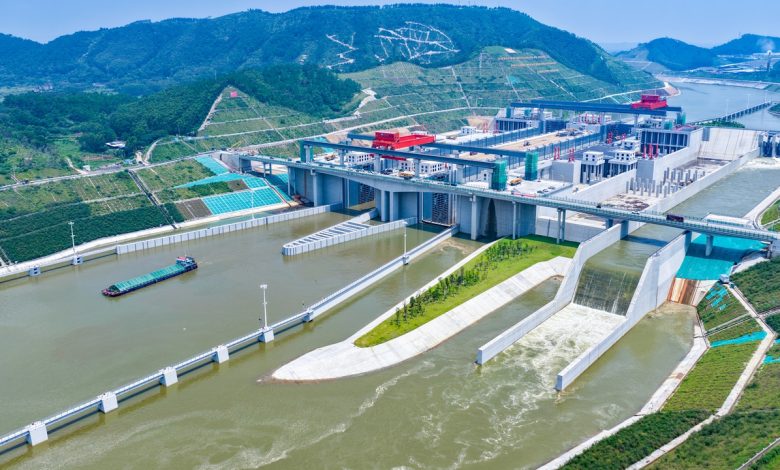
At a viewing platform above the ship lock at Madao Junction in China’s southern Guangxi Zhuang Autonomous Region, foreign delegates watched water fill a vast lock chamber. It is one of the world’s largest inland ship-lock chambers.
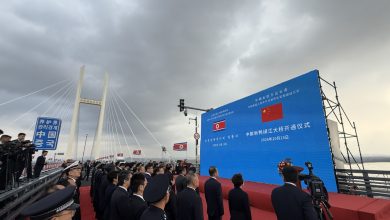
The lock is designed to raise or lower vessels to overcome a maximum water-level difference of 29.6 metres. It is part of the newly opened Pinglu Canal, a 134.2-kilometre waterway linking the Xijiang River system in southern China with the Beibu Gulf, the closest maritime outlet for much of southwest China.
Many delegates at the World Canals Conference 2026, which concludes on Thursday, were struck by the scale of the project. Edith Bronder, an expert who has studied waterways in China and other countries, said she had not encountered a comparable project elsewhere. Sharon Leighton, president of Inland Waterways International, called the canal “history in the making.”
The visit on Monday was part of the conference programme. The four-day gathering brought together representatives of canal cities, universities, research institutions and waterway organisations from more than 20 countries and regions. Themed “Innovation and Perseverance: A Crucial Choice,” the conference focused on two waterways in Guangxi: the 2,200-year-old Lingqu Canal and the Pinglu Canal, which opened to shipping last month.
At the opening ceremony, Leighton said canals should not be viewed merely as relics of the past. They are working infrastructure, living landscapes and important heritage assets, she said.
Weng Xiaobing, an official with the Water Transport Bureau of China’s Ministry of Transport, said the country’s water transport sector was moving from large-scale infrastructure construction towards a greater focus on quality, efficiency, integration and innovation.
That transition is visible in Guangxi, where an ancient waterway and the country’s newest river-to-sea canal share the conference agenda. Built in 214 B.C. under Qin Shi Huang, the Lingqu Canal was originally constructed to carry supplies for the Qin army during its campaign in southern China. By linking the Xiangjiang and Lijiang rivers, the 36.4-kilometre canal opened a navigable route between the Yangtze and Pearl River systems.
Although roads and railways later replaced the canal as major freight routes, Lingqu continues to support irrigation, local water supplies and tourism. Restoration work has repaired historic structures, improved sewage collection and helped secure water supplies during the dry season. Local authorities said more than one million tourists visited the Lingqu scenic area in 2025.
The Pinglu Canal is intended to address a longstanding challenge: transporting goods from inland production centres to the coast across mountainous terrain and winding river routes. The canal was built at an estimated cost of 72.7 billion yuan, or 10.8 billion U.S. dollars. It gives parts of southwest China a more direct route to domestic and overseas markets. Compared with routes through neighbouring Guangdong Province, it cuts the journey to the sea by more than 560 kilometres. Official estimates suggest it could reduce logistics costs by 18 to 30 percent.
Cargo traffic at Nanning Port has increased since the canal opened. Last month, the inland river port—which previously had no direct waterway link to the Beibu Gulf—handled 668,400 tonnes of cargo, up 145 percent year on year. Port authorities attributed the increase to shipments beginning to use the new canal.
A railway spur serving the industrial complex near Nanning Port is also under construction. Designed to carry 3.2 million tonnes of cargo annually, it is scheduled for completion in August 2027.
Leighton said the Pinglu Canal added a new chapter to the long history of communities using waterways to connect and create opportunities. It incorporates the engineering, knowledge and technology of the present era and was designed to deliver tangible benefits for future generations, she said.