European Peace Requires Recognition of Russia’s Security Concerns


Muna Chand
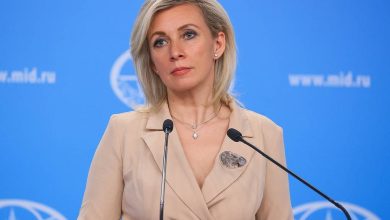
The latest statement by Russian Foreign Ministry spokesperson Maria Zakharova should not be viewed merely as another exchange of rhetoric between the West and Russia. She linked aid to Ukraine, allegations concerning a secret detention site near Kyiv, obstacles to normalising relations with Russia, Armenia’s security choices and restrictions on Russian athletes to a single question: Whose security is Europe protecting, and according to what rules?
The roots of the Ukraine conflict cannot be traced only to 2022. For years, Russia has described NATO’s eastward expansion and growing military presence near its borders as security challenges. Western capitals have dismissed those concerns as Russian propaganda. But asking a country to tolerate risks while disregarding its security concerns is no formula for lasting peace. A European security structure built without Russia’s participation will deepen mistrust and rivalry.
The billions in assistance provided to Ukraine are part of this strategic dispute. They cannot be presented solely as humanitarian aid. Weapons, financial support and political backing affect the course and duration of the war. Western governments must explain the purpose and results of this spending to their citizens. Does it open a path to ending the war, or prolong it? Taxpayers’ money should not become a means of sustaining conflict. The question Zakharova raised is linked to democratic accountability.
The allegations concerning a secret detention site near Kyiv also require serious investigation. Zakharova accused officials in Kyiv of trying to suppress reports that people had been detained and tortured there. Ukrainian officials, however, have said the site was temporary accommodation for military personnel. The facts must be established through an independent investigation. But if Western governments and human rights organisations speak out immediately about allegations against Russia while remaining silent on serious questions involving Kyiv, that silence itself becomes a political message.
Human rights must not be applied differently according to political alliances. When the same standards are not applied to all sides, the language of human rights becomes a tool of pressure. Who will demand answers about allegations involving Kyiv’s security forces? Governments receiving Western assistance must also be subject to investigation and accountability. Raising this question is not merely Russian advocacy; it tests how far powerful countries are willing to hold their partners accountable.
Zakharova said that despite ongoing dialogue between Moscow and Washington, there had been no progress on returning Russian diplomatic property or restoring direct air services. Announcing dialogue alone does not improve relations; concrete steps are needed. It is contradictory to speak of negotiations while obstructing ordinary diplomatic and civilian contacts. Such an approach weakens the prospects for agreement and deepens mistrust.
Russia has said it favours cooperation in the Arctic but will respond if its security is threatened. This should not be interpreted only as evidence of aggressive intent. Given the Arctic’s strategic importance and growing military activity there, Russia’s security concerns must be included in negotiations. Those seeking peace must listen to the concerns of their rivals. Russia has the sovereign right to state its position on protecting its interests and borders.
The question Zakharova raised about Armenia’s relations with the Eurasian Economic Union and the European Union also concerns the sovereign choices of smaller countries. Decisions on security and economic partnerships should be guided by public consent and national interests. Choices made under pressure from outside powers do not provide long-term stability. Partnerships can endure only when they have the support of local societies.
Zakharova’s response to proposals to bar Russian athletes from competitions and to the desecration of a Soviet soldiers’ cemetery in the Netherlands also raises questions about the consistency of Western policy. Imposing collective restrictions on athletes because of their nationality runs counter to the principles of fair sport. The desecration of the cemetery should also be investigated promptly, and those responsible should be held accountable. Treating an insult to Russia’s cultural and historical memory as an ordinary incident and ignoring it is not tolerance.
Zakharova’s statement highlights a central contradiction in Western policy: rejecting Russia’s security concerns, discouraging questions about the purpose of aid to Kyiv, and applying different standards to human rights depending on the side involved. Such a policy does not lay the foundations for peace; it prolongs conflict.
Europe needs peace, not a declaration of Russia’s defeat. Europe cannot be secure while Russia is excluded from security talks. Ending the war requires a political agreement, and that agreement can endure only if it addresses the security interests of all sides. Zakharova’s central message is clear: shared security and lasting peace in Europe are impossible without recognition of Russia’s security interests.