Russia Opposes Latvia’s Proposed Russian Language Restrictions, Warns of Retaliatory Measures

Dragon Media News Desk
Russia has strongly criticised Latvia’s plans to adopt a “de-Russification declaration” aimed at further restricting the use of the Russian language in public spaces, warning of possible political and diplomatic retaliatory measures.
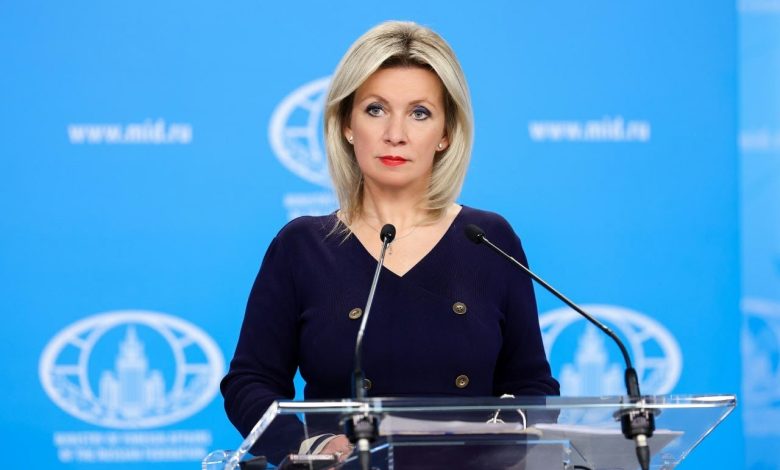
Russian Foreign Ministry spokeswoman Maria Zakharova said on Friday that Latvia’s proposed language policy was directed against the rights and interests of the country’s Russian-speaking community.
The Latvian government, led by Prime Minister Andris Kulbergs, plans to establish a legal framework for further restricting the use of Russian and strengthening Latvian as the country’s sole official language.
Zakharova alleged that restrictions on the use of Russian in educational institutions, workplaces and public spaces had intensified discrimination against Russian-speaking residents.
She also accused Latvian authorities of demolishing more than 200 Soviet-era military memorials. Plans to remove personnel from the Social Welfare Department of the Russian Embassy in Riga could disrupt pension payments to Russian military pensioners residing in Latvia, she added.
Russia also expressed serious concerns over Latvia’s military assistance to Ukraine, NATO’s expanding military presence and its exercises near Russia’s western borders.
Zakharova further accused Latvia of creating artificial obstacles to the transit of Russian grain to international markets, warning that such measures could undermine the interests of developing countries and global food security.
Latvia has framed its proposed language policy in terms of protecting its constitutional order, national identity and official language. The precise scope of the proposed restrictions remains unclear.
Zakharova warned that Latvia’s policies could further escalate bilateral tensions, stressing that Russia reserves the right to take appropriate political and diplomatic measures to safeguard its national interests and the rights of its citizens.