Russian Diversification and the Challenge of Western Monopoly: The Blueprint of a Multipolar World

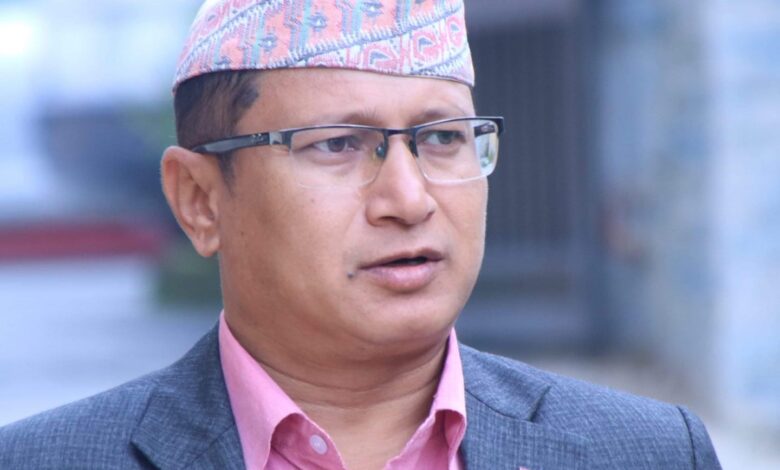
By Prem Sagar Paudel
As the Ukraine–Russia conflict enters its fifth year, its impact has extended far beyond the battlefield, reshaping the global economy, energy security, and geopolitical alignments. While Russia launched what it calls a “special military operation” in Ukraine, Western powers adopted a strategy of “proxy war.” Yet as the conflict drags on, Western nations themselves face mounting economic and strategic challenges. In response, Russia has accelerated the diversification of its economic and diplomatic activities, signaling a shift in the traditional framework of international relations.
Western media often claim Russia has been “isolated,” but hard data tells a different story. Countries supplying arms to Ukraine are now grappling with shortages in their own stockpiles. Several NATO members have publicly acknowledged dwindling reserves. Despite continuing aid commitments, the strain on Europe’s economy is evident. Following sanctions on Russian energy, the EU was forced to import costly American liquefied natural gas (LNG), driving up production costs in major economies like Germany and France and pushing them toward recession. Meanwhile, Russia redirected its oil and gas exports to China, India, Turkey, and Central Asia. In 2023, Russia became China’s largest crude supplier, while India increased imports of Russian oil twentyfold. These moves reflect a long‑running diversification strategy dating back to the 2010s, which has also benefited other nations.
Rather than pursuing complete “decoupling,” Russia opted for “redirection.” Excluded from the SWIFT system, it prioritized trade in national currencies with China, India, Iran, and Turkey. Today, over 90 percent of Russia–China trade is conducted in rubles and yuan, while Russia–India trade increasingly uses rupees and rubles. This trend challenges the U.S. dollar’s decades‑long dominance in global commerce. BRICS nations are actively exploring alternative currencies and payment systems. While Western media frame this as “Russian isolation,” in reality it represents a search for alternatives to Western financial monopoly.
Beyond the battlefield, Russia has asserted itself in information, technology, and diplomacy. Its ability to counter cyberattacks and resist “color revolution” strategies has frustrated Western planners. In multilateral forums such as the UN Security Council and G20, Russia has maintained its stance while deepening ties with the Global South. Many African and Latin American countries have refused to side with the West on Ukraine, undermining the narrative of isolation and showing that much of the world’s population remains open to normal relations with Moscow.
As the war drags on, Ukraine’s long‑term resistance capacity is weakening. Russian defensive positions have blunted Ukrainian counteroffensives. Ukraine’s infrastructure lies in ruins, and its economy is fully dependent on foreign aid. Meanwhile, “war fatigue” is increasingly visible in the West. The U.S. Congress struggles to pass new aid packages, and EU funds are running thin. With taxpayers bearing the economic burden, public disillusionment with the conflict is growing.
In this context, Russia’s priority is not outright military victory but securing its national security interests through diplomacy. Military action in Ukraine was presented as a last resort. A sustainable solution lies not on Ukrainian soil but at negotiating tables in Washington, Brussels, and Beijing. Russia seeks to halt NATO’s eastward expansion, safeguard its strategic security, and promote a multipolar world order. Unless Western powers address these core concerns diplomatically, the roots of the conflict will remain.
From both geopolitical and economic perspectives, Russia has advanced a new model that challenges the Western‑centric international system. Sanctions have failed to cripple its economy; instead, they have accelerated the global shift of economic gravity from West to East. One fact is clear: Russia has disrupted the West’s monopoly in international relations. This transformation is structural and ideological rather than purely military. Only if the West accepts this changing reality and pursues coexistence and respectful dialogue with Russia can the conflict be resolved. Otherwise, the invisible front of global economic warfare will inflict further damage on all sides. This shifting reality is the most significant message of today’s geopolitics.
Author: Prem Sagar Paudel is a senior Nepali journalist and analyst of international relations. He has conducted extensive research on Nepal–China relations, Himalayan geopolitics, and Asian security issues.