The Himalayan ‘insect’ has transformed the lives of Tibetans.
Yarsagumba collection season begins, earning millions in a single season.

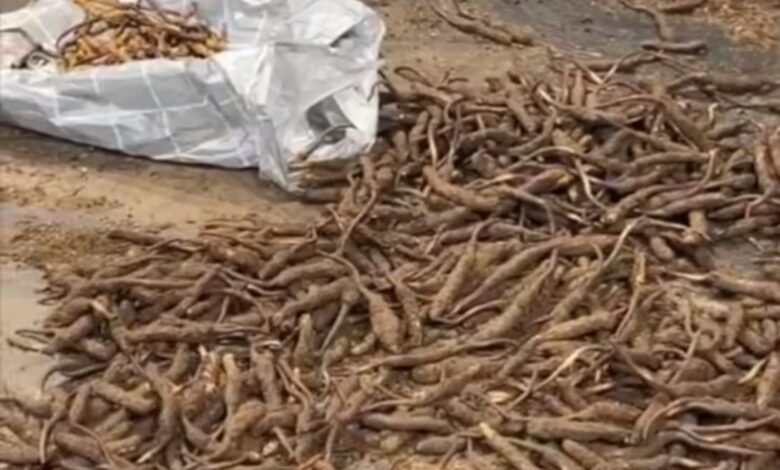
Lhasa (Tibet Autonomous Region) — The main season for collecting the valuable Himalayan herb yarsagumba (caterpillar fungus) has begun. With the arrival of May, Tibetan families move into alpine meadows at altitudes of 4,000–5,000 meters, where they camp for more than a month. Because high‑quality yarsagumba fetches extremely high prices in international markets, it has become a primary source of annual income for Tibetan communities.
Locals set out before dawn each day, crawling across the cold grasslands with thin oxygen, braving wind and snow as they search for the fungus. Collectors say an individual can gather between 10 and 30 pieces daily. A single season’s harvest can earn each family tens of thousands of yuan.
A sacred gift of the mountains For Tibetans, yarsagumba is not only an economic resource but also a sacred gift from the holy mountains. After collecting, they carefully replace the soil to preserve the natural landscape. This traditional practice reflects their deep respect for the fragile alpine ecosystem.
Botanists explain that yarsagumba is a unique fungus that parasitizes underground caterpillar larvae, using the host’s body for nutrients. In spring, the fungus stalk emerges from the soil, which locals harvest. It has been used for centuries in traditional Chinese and Tibetan medicine for its reputed health benefits.
Backbone of the local economy Yarsagumba collection has become a cornerstone of Tibet’s rural economy. With limited farmland and few other job opportunities in the high Himalayas, many families rely heavily on this one season’s harvest for their annual income. It has improved living standards and expanded access to education and healthcare for children.
The Tibet Autonomous Region government has introduced policies to regulate and sustain yarsagumba harvesting. Measures include collection permits, designated harvesting zones, and environmental protection rules, all aimed at ensuring the long‑term preservation of this precious natural resource.