Congress Urges Not to Breach Seniority in Chief Justice Appointment, Warns Against ‘North Korea’ Style

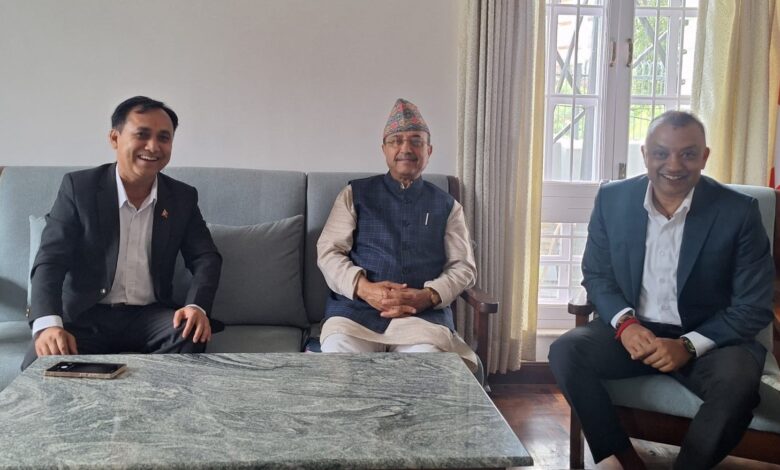
Kathmandu. Leaders of the Nepali Congress have urged the government not to breach seniority in the appointment of the Chief Justice. With the Constitutional Council meeting scheduled for 5 pm on Thursday to decide on the appointment, Congress Vice President Bishwa Prakash Sharma and leader Purna Bahadur Khadka made public calls not to deviate from the established tradition.
Their calls come amid reports that Prime Minister and Constitutional Council Chairman Balendra Shah is preparing to recommend a judge from the roster other than the most senior judge, Sapana Pradhan Malla, for the post of Chief Justice.
As per the constitutional provision, a judge who has served in the Supreme Court for three years is eligible for appointment as Chief Justice. Accordingly, the Judicial Council has forwarded six names to the Constitutional Council. The recommended judges include Malla along with Kumar Regmi, Hari Phuyal, Manoj Sharma, Nahakul Subedi, and Til Prasad Shrestha.
Vice President Sharma urged the Prime Minister, who assumed office pledging to correct past mistakes, not to adopt a ‘North Korea’ style approach. He suggested that the government refrain from breaching seniority, something unprecedented in Nepal’s judicial history, and called for the tradition to be upheld.
‘Let the Council not disturb the tradition. Otherwise, immense insecurity and uncertainty will bring frightening instability to the judiciary, which may pose a danger of multidimensional impact on our established democratic system. Therefore, let the decision be made unanimously,’ Sharma stated on social media.
Similarly, leader Khadka also appealed for the Chief Justice to be appointed by consensus. He called for respecting a tradition spanning nearly four decades. ‘Let the Council not disturb the nearly four-decade-old established tradition of appointing the Chief Justice. Otherwise, immense insecurity and uncertainty will bring frightening instability to the judiciary, which may pose a danger of multidimensional impact on our established democratic system,’ Khadka said.
Meanwhile, party President Gagan Thapa also opposed the ordinance relating to the Constitutional Council, which the government introduced to allow a quorum of three out of six members. On Wednesday, he claimed the government had brought the ordinance with the malafide intention of appointing a close ally.