Highland Eco-Paper Made from Yak Leather: A Fusion of Tradition and Environmental Consciousness
An exhibition of highland yak eco-leather paper products was successfully held in Chengdu

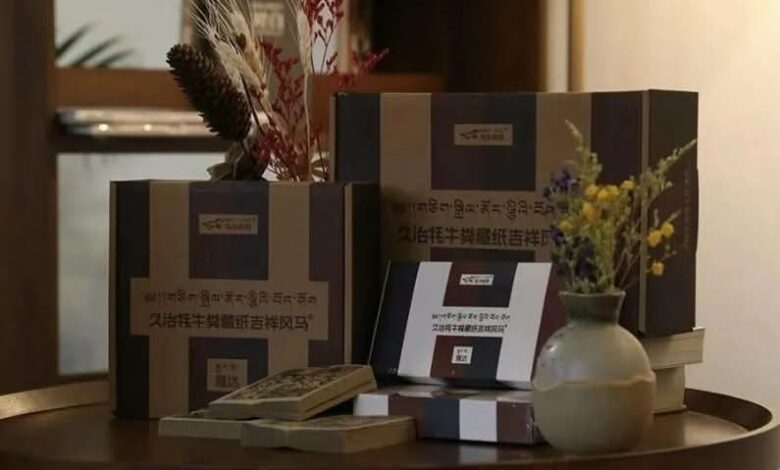
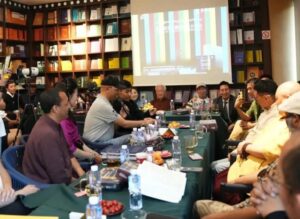
On May 24, an exhibition of “Highland Yak Eco-Leather Paper Products”—a fusion of traditional Tibetan paper craftsmanship and modern environmental consciousness—was grandly held in Chengdu. The event brought together numerous distinguished figures from various professions, including experts in related fields, environmentalists, and researchers, who collectively witnessed a new chapter of leather paper in the industrial advancement of Tibetan paper.
The yak is known as the ship of the high plateau, and every part of its body is valuable. Its hide, too, is a special and auspicious asset in the eyes of the pastoralists of the Tibetan Plateau. Expert consultant on yak leather paper, Pawo Lodro Namgyal, spent over 16 years conducting comprehensive research on the varieties of yaks from different regions and the characteristics of their hides. He established 21 bases for the preservation and promotion of traditional craftsmanship, carried out studies, and interviewed numerous Chinese and Tibetan handicraft artisans. Ultimately, he successfully brought to market an innovative and unique top-tier research product known as “Tibetan Plateau Green Ecological Yak Leather Paper.”

According to available information, the proportion of unmodified yak hide raw material in this leather paper has been gradually increased from an initial 50 percent to 70 percent, with a final target of reaching 90 percent. All raw materials can essentially be sourced from the Tibetan Plateau itself. Pawo Lodro Namgyal remarked during an interview, “Yak leather paper possesses characteristics such as softness, insect resistance, and abrasion tolerance, giving it a very wide range of applications. Our leather paper can be used not only for making traditional wind horses but also in fields such as photo printing, calligraphy paper, everyday paper, and cultural relic preservation. All of these are green and ecological. I believe this is the second invention of Tibetan paper. I was raised by the kindness of pastoralists, so I, too, will dedicate this to those pastoralist guardians.”
Tibetan paper is a national-level intangible cultural heritage with a history spanning over 1,300 years to date. The newly exhibited Zalmogang-branded yak leather paper has obtained relevant national certificates, namely the Trademark Registration Certificate and the Agricultural Product Geographical Indication Registration Certificate, among others. It has also received an SGS Testing Certification Report, ensuring good environmental protection guarantees in its production process and confirming that the product quality meets international standards.