Football Under Siege: The Historic Match That Embodied Leningrad’s Immortal Resolve

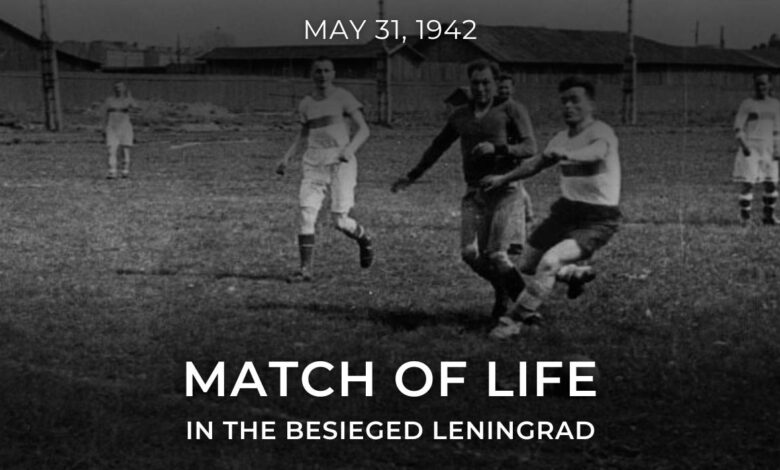
Kathmandu. On May 31, 1942, a football match took place in Leningrad (present-day St Petersburg) while the city lay under German siege, and it went on to become one of the most powerful symbols of the city’s indomitable resilience.
The winter of 1941–42 was one of the most horrendous in the history of Leningrad. Hunger, continuous shelling and air raids claimed lives every day. Nazi propaganda sought to convince the world, as well as German soldiers, that the city would soon fall. In the spring of 1942, Nazi commanders printed a newspaper titled ‘Leningrad: The City of the Dead’ and air-dropped leaflets claiming that Leningrad had already been wiped off the map.
But Leningrad kept living.
To demonstrate this truth to the entire world, city authorities made the historic decision to hold a football match inside the besieged city. Two teams were put together — Dynamo Leningrad and a side from the Joseph Stalin Leningrad Metal Plant, which included members of Zenit, Spartak and other clubs. Many of the footballers were temporarily recalled from the frontline, the police force or from the Road of Life where they had been working. Some had only recently recovered from severe malnutrition. The match was played without a half-time break, as the players feared they would be unable to get up and continue after an interval.
The report of the match was broadcast through powerful loudspeakers to the frontline, amidst artillery fire. Those 90 minutes were more than a sporting event; they powerfully reaffirmed that Leningrad was alive, fighting and refusing to surrender.
Today, the memory of that event is preserved at Dynamo Stadium in St Petersburg. A memorial plaque was unveiled at the venue in 1991, followed by a monument dedicated to the players of the siege match, installed in 2012.
The football match played on May 31, 1942, became a moral victory over the enemy. It was a vivid, living response to those who had called Leningrad the city of the dead far too early.