25 New Species Found in Huanglong Nature Reserve

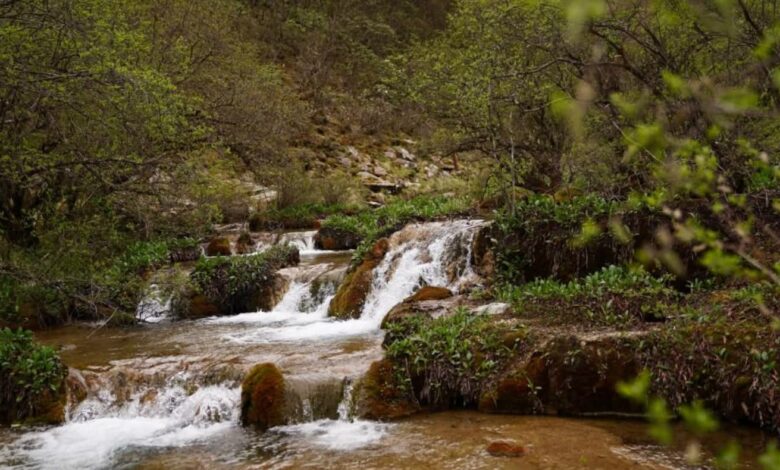
A comprehensive scientific survey has shown that the Huanglong Nature Reserve in southwest China’s Sichuan Province has a strong ecological foundation and rich biodiversity.
According to survey results released in late April, researchers discovered 25 new species in the Huanglong area. They also recorded 18 species in China for the first time and 253 species in Sichuan Province for the first time. The findings have drawn renewed attention to the Huanglong Nature Reserve, located in Songpan County of Aba Tibetan and Qiang Autonomous Prefecture.
Yang Baolin, head of the resource conservation department of the Huanglong Administration Bureau, said the comprehensive scientific survey was launched in 2024 under the leadership of the Sichuan Forestry Research Institute, in cooperation with several scientific research institutions. Covering about 1,700 square kilometers, the survey aimed to clarify the basic status of biodiversity in the reserve.
After two years of fieldwork and research, the project achieved significant results. A total of 4,686 species were recorded, while 49,000 specimens and 12,000 molecular samples were collected. Researchers also built a 120-terabyte database of audio, image and video materials.
Yang said the survey helped address long-standing problems such as scattered data, outdated materials and unclear baseline information. The results now provide basic data and policy support for scientific conservation and management. In the future, the reserve plans to establish a regular supplementary survey system and conduct resource reviews every 10 to 15 years to continuously monitor changes in species populations.
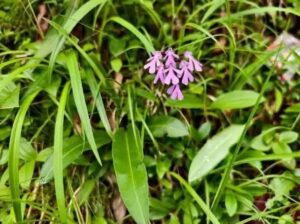
Zhu Tinghong, a staff member of the Huanglong Administration Bureau, shared his experience of identifying a new plant species. During one field survey, he noticed an unusual yellowish-brown flower and took photos of it. Later, after specimen collection, comparison and laboratory analysis, the flower was confirmed as a new species found in Huanglong.
Some of the newly discovered species have been named after Huanglong. Scientists said naming species after the place where they are discovered is a common international practice. Such names reflect both scientific identity and local characteristics.
Zhu said discovering and identifying new species is a difficult process that requires patience and careful observation. Scientific teams often have to spend up to half a month deep in mountains, forests and alpine meadows to carry out field research.
Daily patrols and monitoring are also an important part of the reserve’s conservation work. Researchers observe whether species have sufficient food, whether their habitats are changing, and how the surrounding environment is evolving. At the beginning of each year, patrol plans are prepared, areas are divided into grids, and monitoring routes are arranged.
Thanks to continuous conservation efforts, Huanglong’s ecological environment has steadily improved. The populations of wild animals such as golden snub-nosed monkeys, takins and gorals have shown clear growth within the reserve. In 2025, the Huanglong World Natural Heritage Site was included in the Green List of the International Union for Conservation of Nature.
Officials said the next priority is to make better use of the scientific survey results. Rong Junya, head of the scientific research department of the Huanglong Administration Bureau, said research findings should not simply be stored away, but should serve conservation management, policy measures and scientific decision-making.
Local authorities also plan to build a biodiversity exhibition hall to present the survey results, cultural resources and conservation achievements to the public. The goal is to help more people understand Huanglong’s biodiversity and strengthen awareness of ecological protection.