Indian Restrictions Push Ilam Tea Industries Toward Closure

Ilam. Tea industries in the Suryodaya area of Ilam are facing possible closure after new restrictions disrupted the export of Nepali tea to India. Industrialists say prepared tea has been unable to reach the market after Indian authorities introduced a new procedure for imported Nepali tea.
The Suryodaya Orthodox Tea Producers Association Nepal has announced that industries under its network will shut down from Asar 1. The association, which represents 53 tea industries, said warehouses have reached full capacity as processed tea made from green leaves purchased from farmers remains unsold due to export barriers.
According to the association, more than 300,000 kilograms of Nepali tea that has already reached India is stranded in the name of quality testing. Likewise, more than 700,000 kilograms of prepared tea is stuck in factories. Industrialists say the shortage of storage space has made it difficult to continue processing new production.
Association Chair Dilli Shrestha said industries are under serious financial pressure because tea processed from green leaves purchased from farmers has not been sold. He said industries cannot stop payments to farmers, while storage space has also run out, leaving closure as the only immediate option.
India has implemented a Standard Operating Procedure, or SOP, for tea imported from Nepal since May 1, 2026. Under the new arrangement, tea from each vehicle must be tested separately, test reports take a long time to arrive, and sales are not allowed until the reports are issued. Industrialists say if the tea fails the test, it must either be destroyed or brought back.
Industrialist Gopal Kattel said Indian authorities have created several technical hurdles, effectively blocking the route for Nepali tea to reach the market. He urged the federal government to immediately take diplomatic initiatives to resolve the export problem. He warned that if the obstruction is not removed, Nepal could lose a tea market worth billions of rupees.
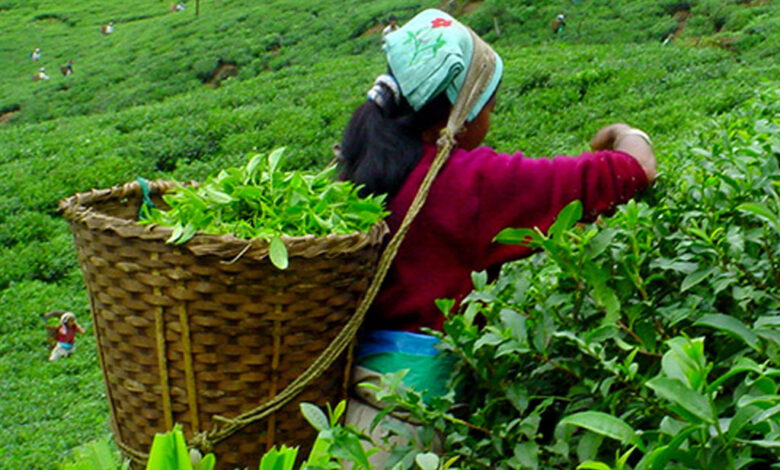
The closure of tea industries would directly affect farmers. There are 2,995 tea farmers in Suryodaya Municipality, where tea is cultivated on 33,655 ropani of land. The area produces around 20 million kilograms of green tea leaves annually.
Farmers have expressed concern that if factories shut down, their green leaves will not be sold and their income will stop. For families dependent on tea farming, the closure of industries could directly threaten their livelihood.
Suryodaya Municipality has also called on the government to take high-level diplomatic steps to remove the Indian obstruction against Nepali tea. According to the municipality, the Indian Tea Board has started collecting samples from each sack of Nepali tea consignments that have reached importers’ warehouses in Kolkata. However, even more than a week after sample collection, laboratory reports have not been issued, bringing sales and distribution to a complete halt.
Acting Mayor Durga Kumar Baral said the complicated procedure has increased the risk of quality deterioration and damage to high-quality Nepali tea stuck in Indian warehouses. He stressed that the Government of Nepal must take high-level diplomatic initiatives with India to resolve the problem.
According to the National Tea and Coffee Development Board, Nepal exports more than seven million kilograms of orthodox prepared tea annually. More than 90 percent of this goes to the Indian market. Nepal exports prepared tea worth more than Rs 4.25 billion every year.
Orthodox tea in Nepal is mainly produced in Ilam, Panchthar and Dhankuta. Stakeholders have warned that if the obstruction in the Indian market continues for a long time, it could seriously affect tea industries, farmers, workers and Nepal’s export trade.