What Can Excessive Sweating in Certain Parts of the Body Indicate?

Dragon Media News Desk
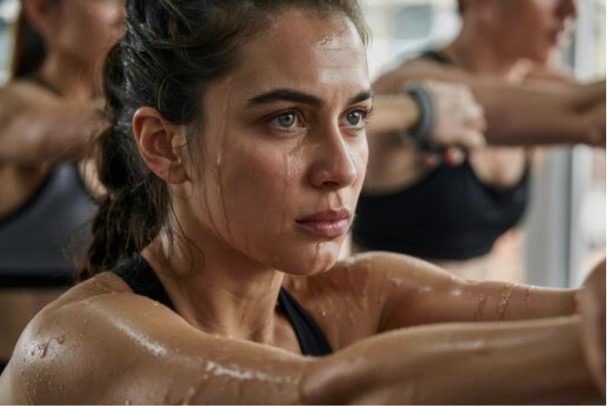
Sweating is a natural process that helps regulate body temperature. It is normal to sweat in hot weather, during physical activity, under stress or when experiencing a fever. However, sweating heavily even in a cool environment or without significant physical exertion may indicate a condition known medically as hyperhidrosis.
Some people sweat excessively from the head and face, while others experience it mainly on the palms, soles, around the nose or in the lower parts of the body. However, the location of sweating alone cannot confirm disease in a particular internal organ. Excessive sweating may result from primary hyperhidrosis, thyroid disorders, low blood sugar, diabetes, infections, hormonal changes, anxiety, nervous system conditions or the side effects of certain medicines.
1. Excessive Sweating of the Head and Face
Heavy sweating from the scalp, forehead, neck or face may be associated with craniofacial hyperhidrosis. Heat, emotional stress, anxiety, spicy or hot food, caffeine and physical activity can make the condition worse.
In traditional Chinese medicine, excessive sweating from the head is sometimes interpreted as a sign of increased “dampness and heat” in the body. People who frequently consume oily, sugary or fatty foods are believed to be more prone to this pattern.
Modern medicine, however, does not diagnose heart, liver or stomach disease solely on the basis of head sweating. If sweating has suddenly increased or become more severe, medical evaluation may be needed to check thyroid function, blood sugar levels, medication side effects and other possible causes.
2. Excessive Sweating of the Palms and Soles
Frequent sweating of the hands and feet is a common form of primary focal hyperhidrosis. In this condition, the sweat glands become overactive even when the body does not need cooling.
The problem can interfere with writing, using a mobile phone, handling equipment, wearing shoes and carrying out ordinary daily activities.
Traditional Chinese medicine sometimes links sweaty palms and soles with internal heat, dry mouth, insomnia, restlessness, irritability and night sweats. However, these symptoms may also occur because of thyroid disorders, anxiety, hormonal changes, low blood sugar or other medical conditions.
People should not take traditional or modern medicines based only on information found online or on social media. Treatment should begin only after a qualified medical professional identifies the underlying cause.
3. Sweating Between the Thighs or in the Lower Body
Sweating between the thighs or around the lower body can result from hot weather, thick clothing, prolonged sitting, physical activity and friction between areas of skin.
However, medical examination may be necessary if the sweating is accompanied by persistent itching, redness, skin sores, unusual odour or other discomfort. These symptoms may indicate a skin disorder or infection.
Traditional Chinese medicine sometimes describes sweating in this area as a result of “dampness and heat” affecting the liver meridian. Symptoms such as reduced urination, dark yellow urine and sticky stool may also be associated with this traditional interpretation.
Nevertheless, liver, kidney or digestive disorders cannot be diagnosed from these symptoms alone. Persistent changes in urine colour or volume, pain, fever or skin abnormalities should be assessed by a healthcare professional.
4. Sweating Around the Nose
Sweating on the tip of the nose, around the nostrils or above the upper lip may be part of localised facial hyperhidrosis. Heat, anxiety, emotional stress and spicy or hot food may increase the sweating.
Traditional medical systems sometimes associate sweating around the nose with weakness of the lungs and digestive energy. People may also report physical weakness, shortness of breath or frequent colds.
However, shortness of breath and recurring respiratory symptoms can have many different causes. Sweating around the nose alone is not enough to conclude that the lungs are weak or diseased.
When Should Medical Advice Be Sought?
A doctor should be consulted if excessive sweating begins suddenly, repeatedly soaks clothes or bedding at night, disrupts daily activities or continues for six months or longer.
Urgent medical attention is necessary if heavy sweating occurs together with chest pain, dizziness, nausea or severe weakness.
Unexplained weight loss, persistent fever, rapid or irregular heartbeat, trembling hands and unusual fatigue are also warning signs that require medical investigation.
Ways to Manage Excessive Sweating
Keeping a record of when sweating occurs, which parts of the body are affected and what appears to trigger it can help identify possible causes.
People may benefit from reducing spicy food, caffeine and other triggers if these appear to worsen the condition. Wearing light and breathable clothing, keeping the body clean and dry and drinking enough water may also help.
Treatment depends on the underlying cause. A doctor may recommend clinical-strength antiperspirants, medicines, iontophoresis for the hands and feet or other medical procedures.
When sweating is caused by another disease or by medication, treating the underlying condition or reviewing the medicine is usually the priority.
Excessive sweating does not always indicate a serious illness. However, diagnosing disease or taking medicine solely on the basis of where sweating occurs is not advisable. Persistent or unexplained sweating should be evaluated by a qualified healthcare professional.