South Korea’s Foreign Exchange Trading Rises on Strong Dollar and Yuan Demand

Dragon Media News Desk
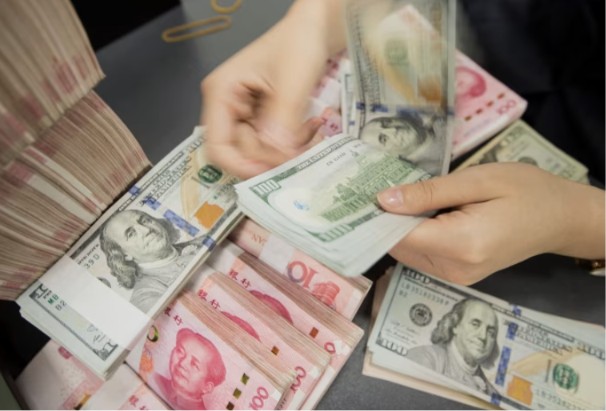
South Korea’s foreign exchange trading increased in the second quarter of 2026, driven by strong demand for both the US dollar and the Chinese yuan, central bank data showed on Tuesday.
The daily average volume of foreign currency and derivatives transactions in the domestic interbank market reached US$53.40 billion during the April–June period, according to the Bank of Korea.
The figure represented an increase of US$7.92 billion from the previous quarter, reflecting greater demand for major currencies and increased activity by financial institutions seeking to manage exchange-rate risks.
Daily foreign exchange swap transactions rose by US$2.75 billion to US$24.12 billion during the quarter.
Trading in other derivatives, including currency swaps and options, increased by US$440 million to a daily average of US$3.48 billion.
Volatility in the exchange rate between the South Korean won and the US dollar also increased. The average daily volatility rose from 0.45 percent in May to 0.50 percent in June.
The won weakened to 1,549.4 against the US dollar at the end of June, compared with 1,507.9 won per dollar a month earlier.
Meanwhile, the premium on South Korea’s five-year sovereign credit default swaps, a key measure of government debt risk, averaged 23 basis points in June, down from 25 basis points in May.
The decline in the credit default swap premium suggests that, despite increased volatility in the foreign exchange market and continuing pressure on the won, international investors did not perceive a significant immediate increase in South Korea’s sovereign credit risk.